The one that decides your trip
Leopard
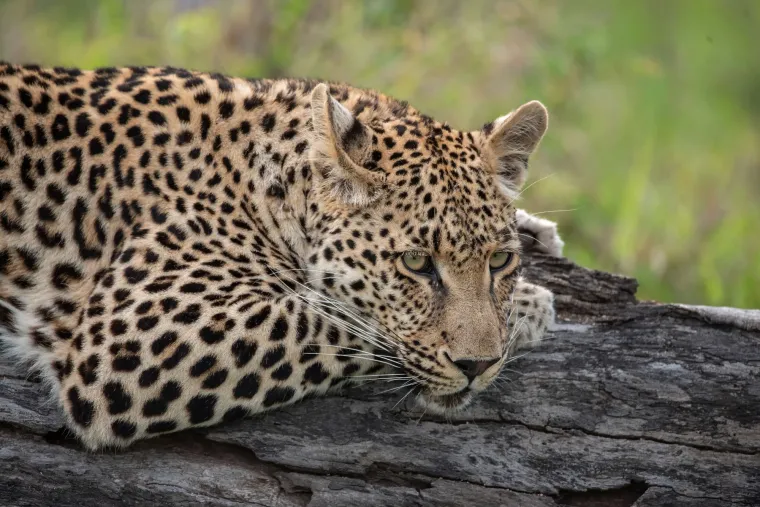
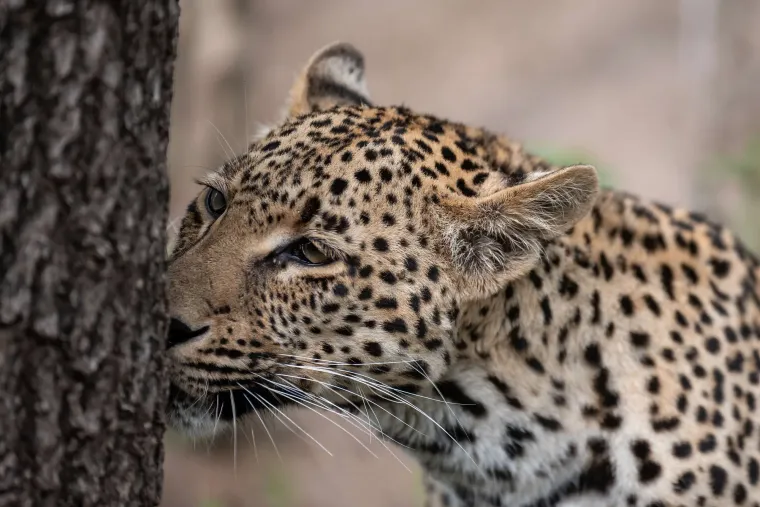
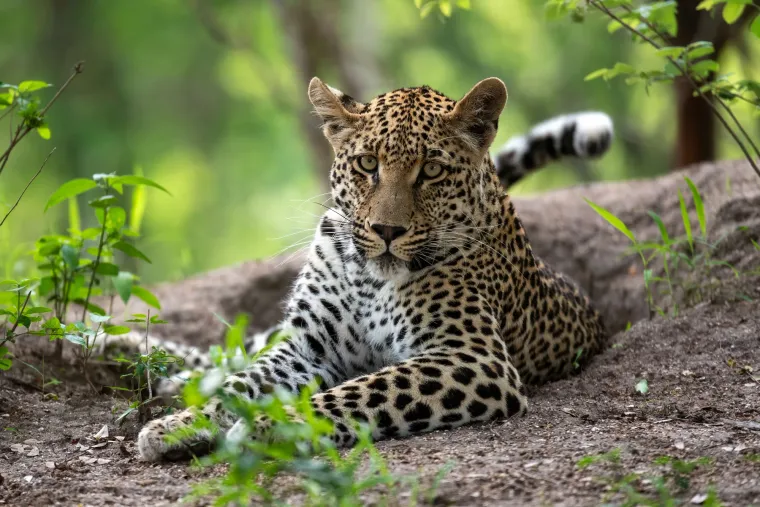
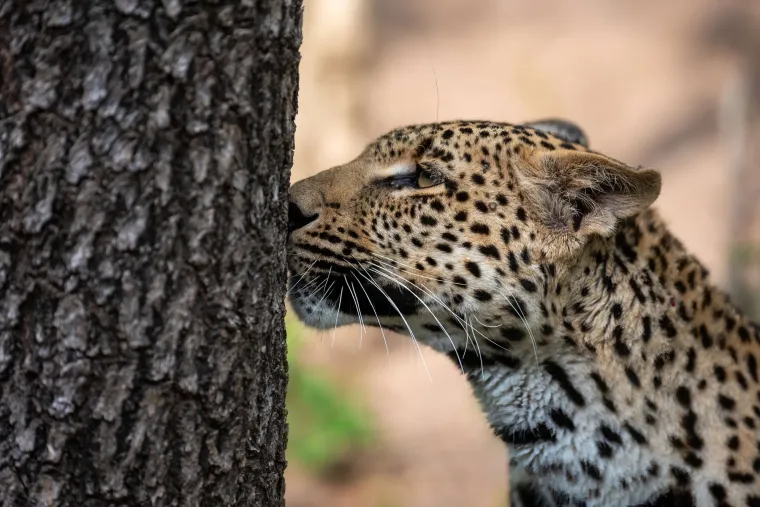
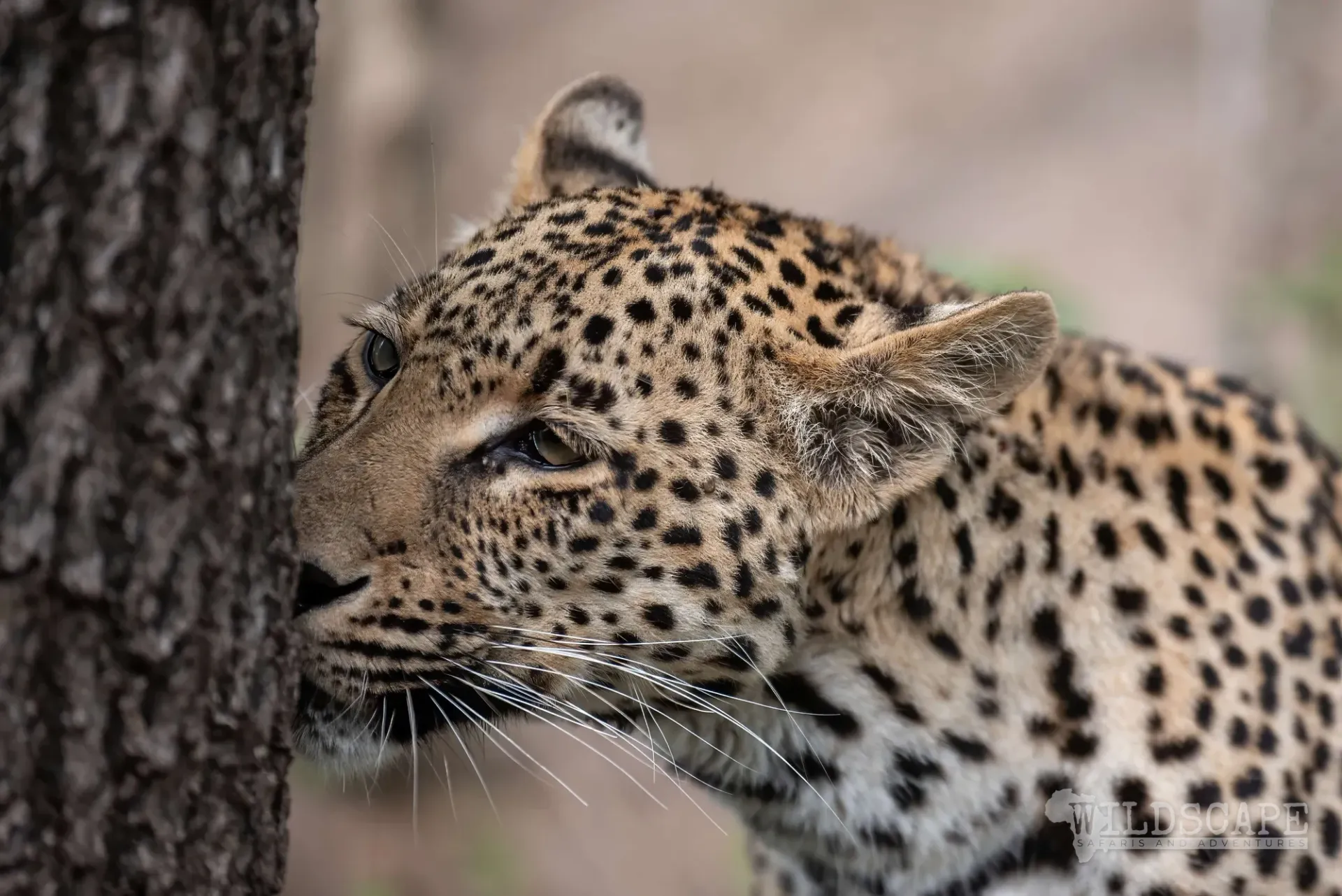
The leopard is the most widely distributed big cat in Africa and the one most people miss. It is solitary, largely nocturnal, and it does not want to be seen — which is exactly why finding one feels like something.
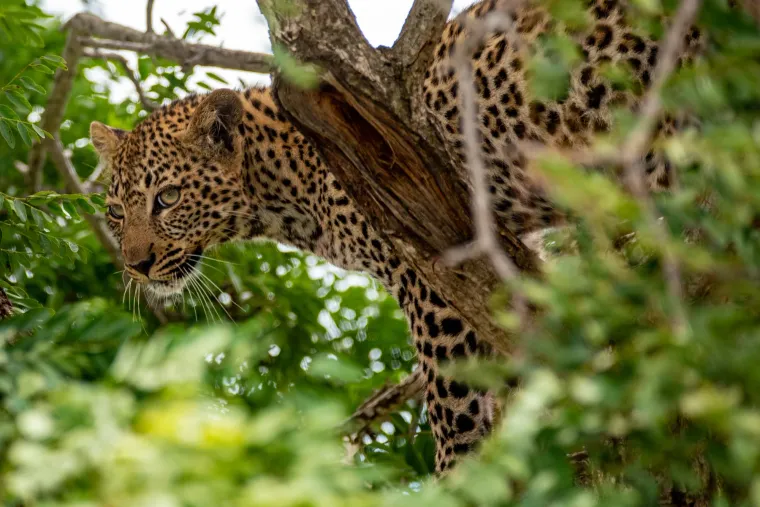
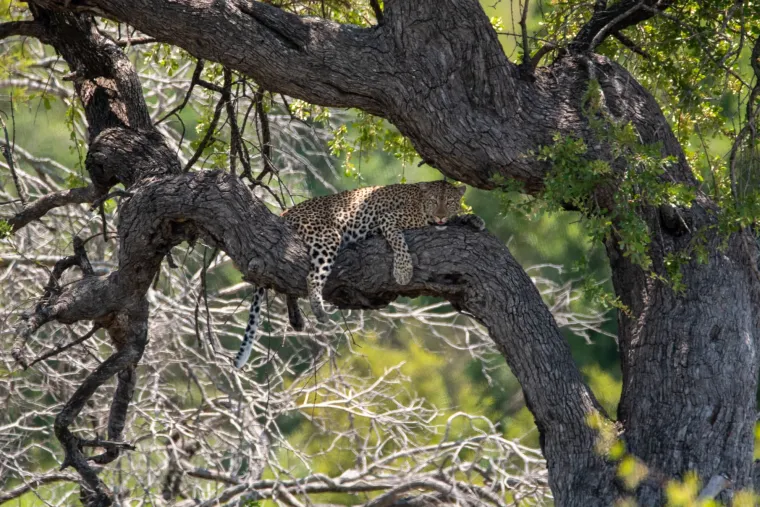
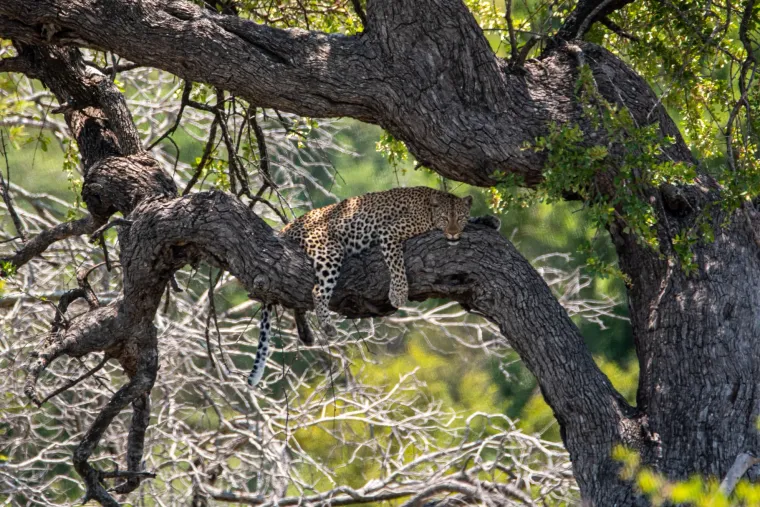
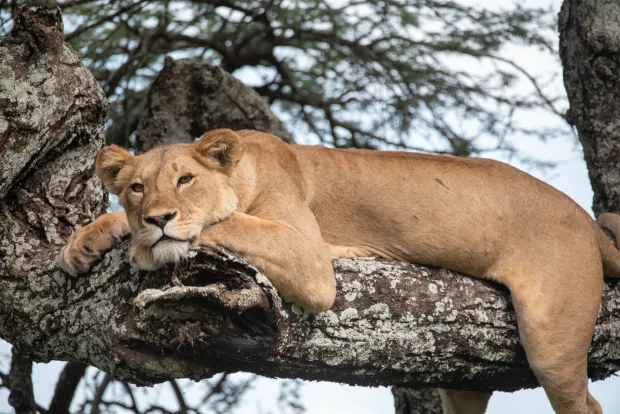
Look up. A leopard hauls its kill into a tree to keep it from hyenas and lions, and that habit is the single most useful thing to know: a carcass draped over a branch means the leopard is close, and it will come back.
They are also the reason people say a safari cannot be scheduled. Nobody sees a leopard because they planned to. They see one because they were out at the right hour and were still looking.
When you actually see them
Where you find them
For the camera
- The light in a tree is contrasty and the cat is spotted. Expose for the animal and let the background go — trying to hold both usually loses the leopard.
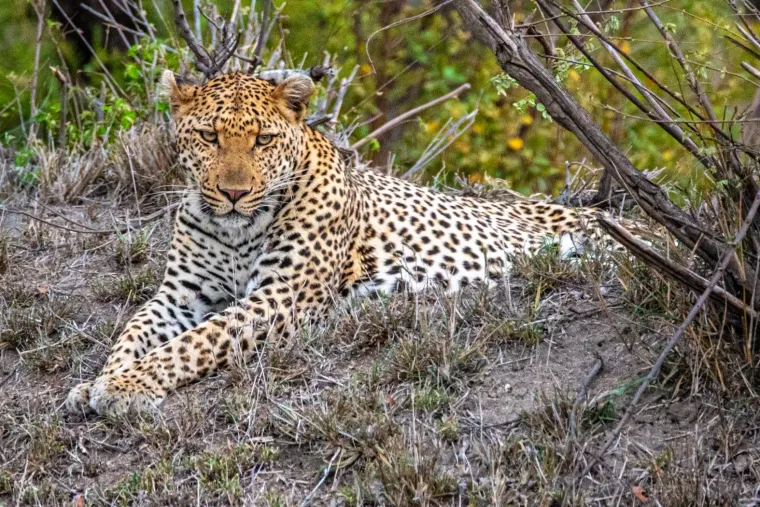
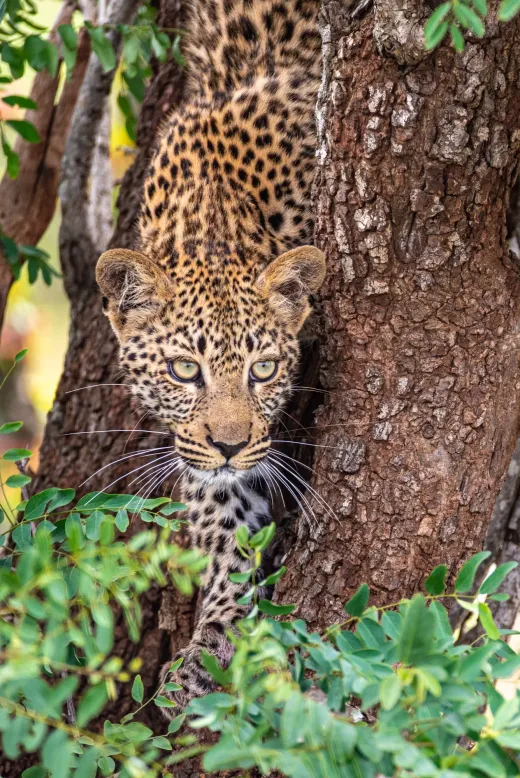
- They watch you. A leopard looking straight down the lens is the frame, and it lasts about two seconds.
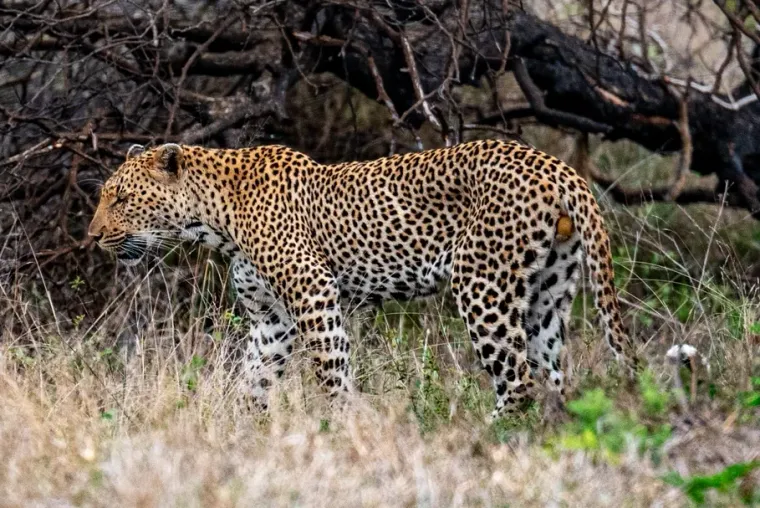
- If it is walking, get ahead of it rather than following. A leopard coming towards you is a photograph; a leopard leaving is a receipt.
Questions people ask
Which park gives me the best chance?
Kruger, on balance — the density in the south is high and the roads follow the rivers. That said, more people see their first leopard by accident than by strategy.
Are leopards dangerous to self-drivers?
Not to anyone inside a vehicle. They avoid people, which is the main reason they are so rarely seen at all.