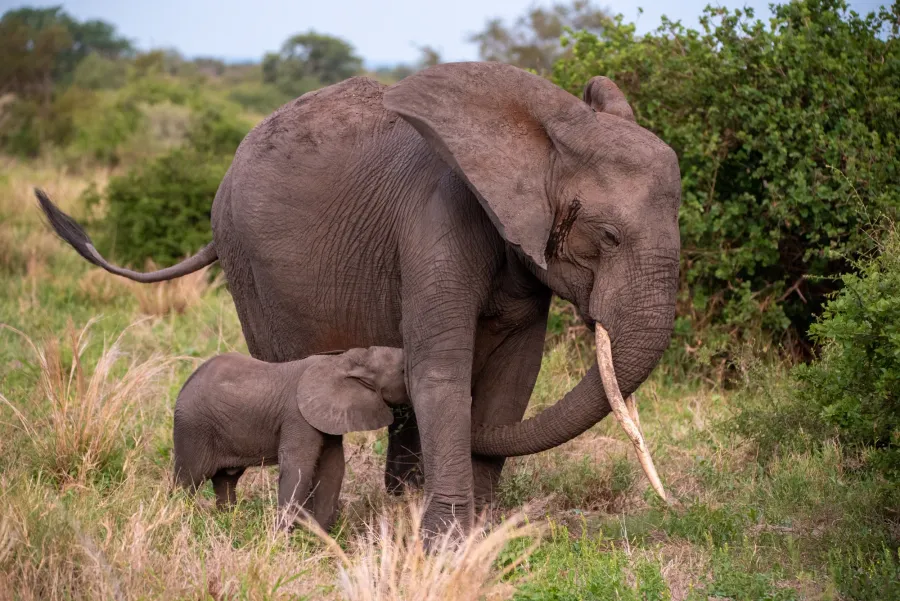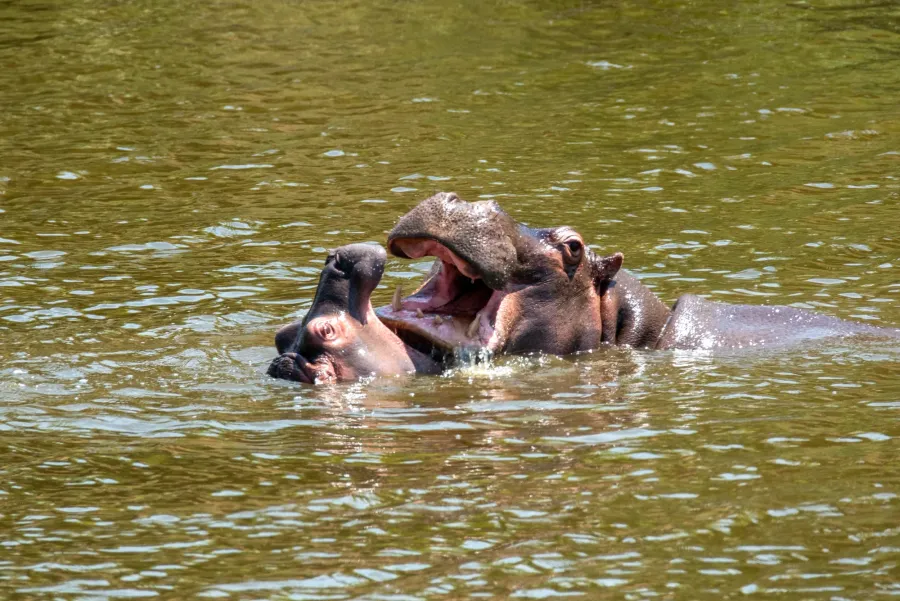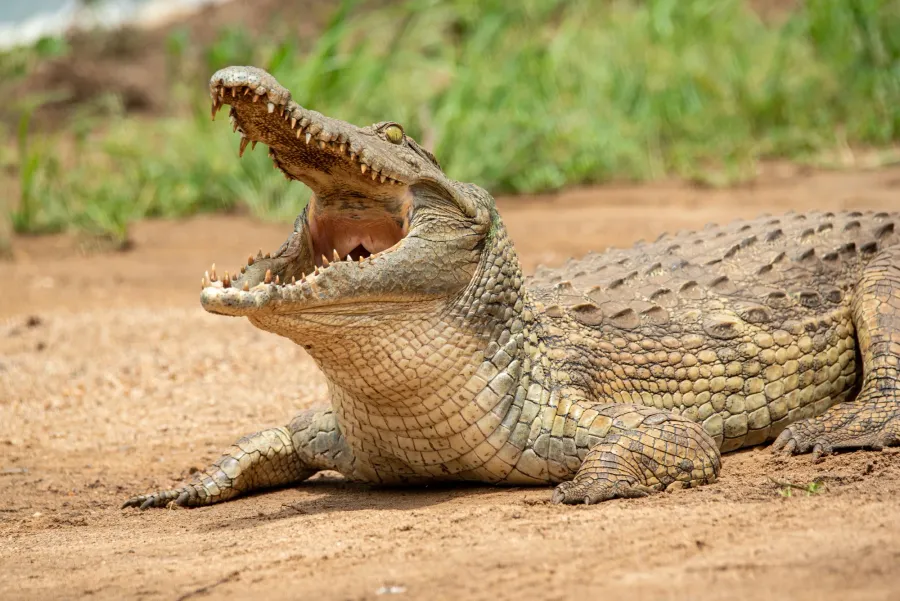
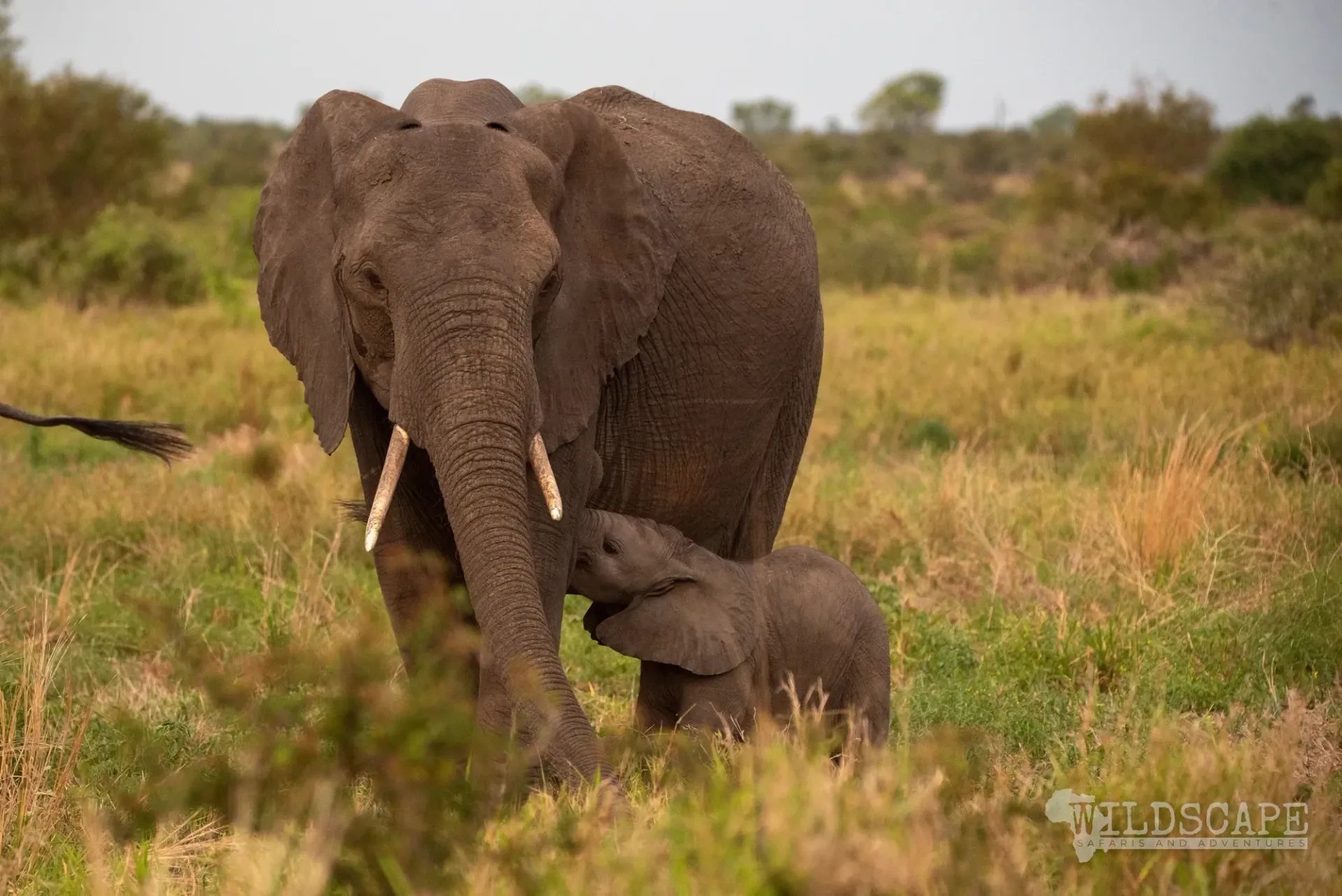
Water and elephants
Self-drive safaris in Botswana
Parks I have driven myself
Worth knowing
Entry
German passport holders: no visa, up to 90 days per calendar year
Driving
On the left. 4×4 country — this is not the place for a saloon car
Money
Pula. Carry cash: card acceptance thins out fast outside the towns
Malaria
North (Chobe, Okavango): risk all year, higher in the wet season
Best months
The dry season, when the game concentrates on the rivers
As of August 2026. Entry rules change — check with your own foreign ministry before you travel.
Borders: Natural Earth
What you see here
Where routes go wrong
- Planning the Kasane–Savuti leg as a half day. It is not, and there is nothing along it.
- Booking the route before the campsites. In Botswana the beds decide where you can go, not the map.
- Assuming a high-clearance 2WD will do. On the riverfront maybe. Between the sections, no.
Questions about this country
Do I really need a 4×4? Chobe National Park
For the park itself, yes, and a proper one. Deep sand for hours at a stretch is the normal condition between the sections, not the bad day.
Can I visit without driving it myself? Chobe National Park
Yes, and many people who self-drive everything else still take the river by boat. It is not a fallback, it is the best view in the park.
How many elephants are there really? Chobe National Park
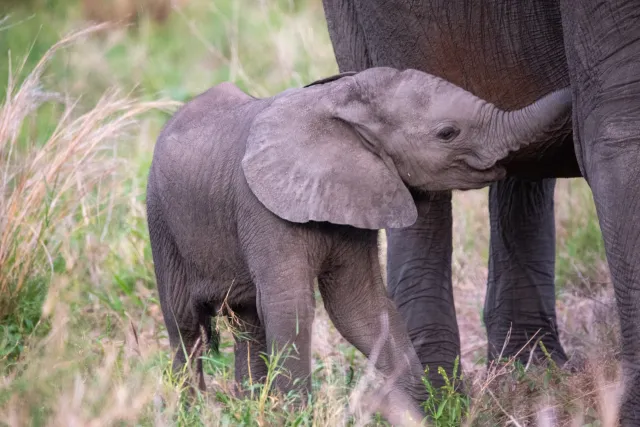
Botswana holds the largest population on the continent, and in the dry season a great many of them are on this river. The honest answer is that the number stops mattering once you have seen it.
When should I go? Chobe National Park
May to October for the elephants at the water and for the sand at its most driveable. The green season is beautiful, empty, cheap and the hardest to plan around.
Is it a malaria area? Chobe National Park
Yes, and more so in the wet season. Same rule as Kruger: a conversation with your doctor before you book.