Wild and quiet
Self-drive safaris in Zimbabwe
Parks I have driven myself
Worth knowing
Entry
Driving
Money
Malaria
Best months
As of October 2026. Entry rules change, so check with your own foreign ministry before you travel.
Borders: Natural Earth
What you see here
Where routes go wrong
- Choosing the wrong time to travel: in the heart of the rainy season large parts of the park cannot be driven, because the tracks soften and the rivers swell. If you arrive then, you either do not get in at all or risk getting stuck in the mud. The start of the rainy season has its quirks too: with the first rains many animals move inland, because there is water and fresh green there again. You then see less wildlife, but the park is much quieter. For photographers who want lots of animals the dry season is usually the better choice. If you are after peace and atmosphere, you can choose the start of the season on purpose, but expect fewer sightings.
- Not being self-sufficient enough Mana Pools is remote, and in an emergency help is far away. So preparation includes: Water and food: enough for the whole trip, plus a reserve. The nearest supermarket is in Karoi or in Kariba. Tyres: two spare tyres, both fully usable, so with enough pressure and intact tread. One spare is often not enough on these tracks. A compressor belongs in the kit too, and so does the jack. Fuel: enough for the whole route including game drives and, if possible, a jerrycan in reserve. Power: a solar panel on the vehicle helps to run the fridge permanently without draining the battery. Cooking gas: always bring enough. If need be you can boil water from the campsite, for coffee or pasta.
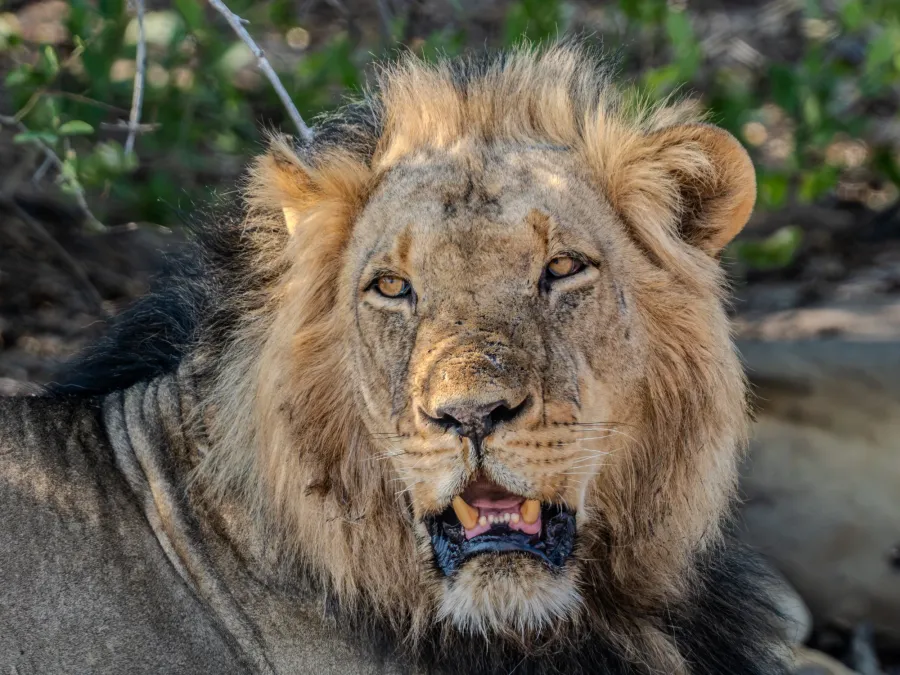
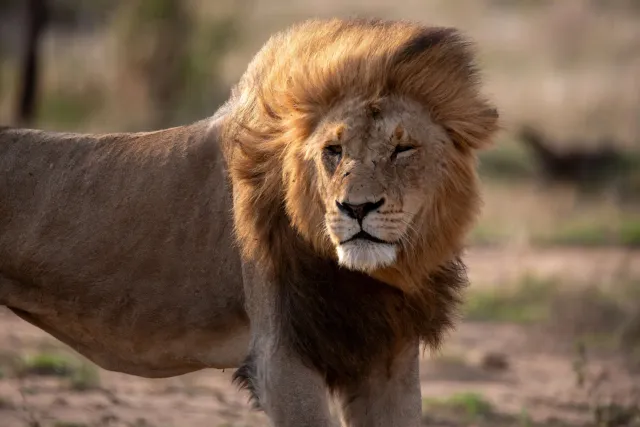
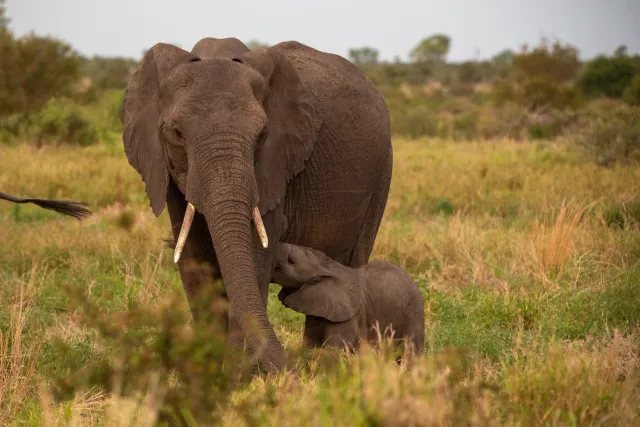
- Using the walking permit too casually Being allowed to walk in Mana Pools is a privilege, not a free pass. You are a guest of the animals here, and they make the rules, not you: you have to go by them. Anyone who uses the permit lightly puts themselves and others in danger. Be aware of the risks: Buffalo: old solitary bulls in particular are considered unpredictable and aggressive. They are easy to miss in tall grass or bush. Elephants: they often seem relaxed, but can turn quickly. Be especially careful with mothers with calves and with bulls in musth. Never walk between mother and calf, and always leave them a way out. Hippos: they are among the most dangerous animals in Africa. Never get between a hippo and the water, and expect animals on land especially at dusk and at night. Lions: they are often well camouflaged and appear unexpectedly. Keep your eyes open and scan the shade under the trees during the day to avoid a surprise. If you are lucky enough to meet some: stay calm, in a group if possible and in single file. Avoid hasty movements. Move away slowly and backwards, always keeping the lion or the pride in view. Also keep in mind: Always keep an eye on the wind, your surroundings and your way out, even while you look through the viewfinder. The perfect photo is not worth getting too close to an animal. Better one picture fewer than one risk too many. If you feel unsure, step back, or at least at the start book an experienced guide who explains the animals' behaviour to you.
Questions about this country
Can I really walk without a guide? Mana Pools National Park
Yes, and that is exactly what makes Mana Pools so special. The park is one of the very few places in Africa where you may see the animals on foot, even without company. It is a real privilege, but it comes with a clear condition: you go at your own risk, and literally so. There are no fences and no protection. Lions, buffalo and elephants move on the same ground. If you go without a guide, you should bring experience in reading animal behaviour. To start with, a guided walking safari is the safer and more instructive choice.
When is it open? Mana Pools National Park
Mana Pools is a classic dry-season park. It is usually open from the middle of the year until the rains begin. The exact opening dates can shift from year to year. So have the dates for your travel year confirmed before you book accommodation, flights or a rental car.
Season: the park is typically accessible from April/May to November. During that time the tracks are drivable, the camps and lodges are open, and the animals gather more and more at the river as the land dries out.
Closure in the rainy season: from December to March, sometimes into April, the park is largely closed or hard to reach. Heavy rain turns the access roads into impassable mud, and the airstrips cannot be used either. Most lodges and camps close during this period too.
Are there rhino? Mana Pools National Park
No, sadly not any more. The rhinos of Mana Pools were wiped out by poachers decades ago. That is a sad chapter in the history of the park, and it belongs in an honest description. Other highlights await you instead: large elephant herds, buffalo, lions, wild dogs and hippos.
What vehicle do I need? Mana Pools National Park
You need a four-wheel drive that you can get unstuck yourself if it comes to it. The approach on the A1 is well tarred and busy, no problems there. It only gets more demanding in the park itself: the tracks on the floodplain are sand or soft ground in places. In case you get stuck there, it is wise to carry a shovel and a compressor to adjust the tyre pressure and dig yourself out. Two usable spare tyres are part of the basic kit as well. Prepared like that, you are well set up for Mana Pools.
How busy is it? Mana Pools National Park
Mana Pools is comparatively empty, because the park is aimed at experienced self-drivers and adventurers. That is exactly its appeal: you can watch animals without sharing a spot with ten other vehicles, and often you are alone with the landscape and the animals. The flip side is that there is hardly any infrastructure. Everything you need has to come into the park with you: water, food, fuel and gas. Only firewood can be bought in the park.