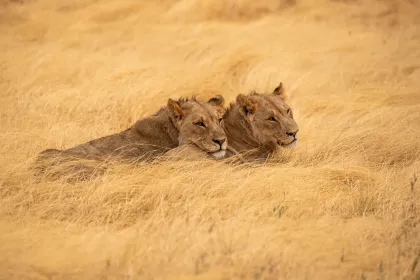
What you see on the days the cats hide
Birds
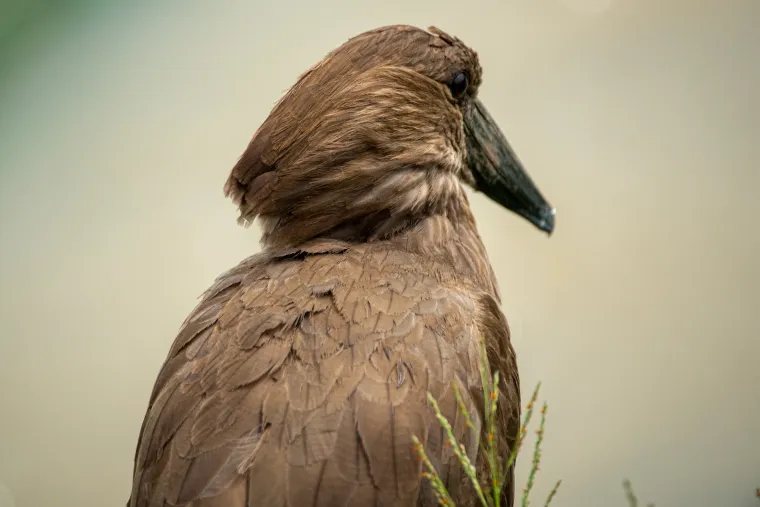
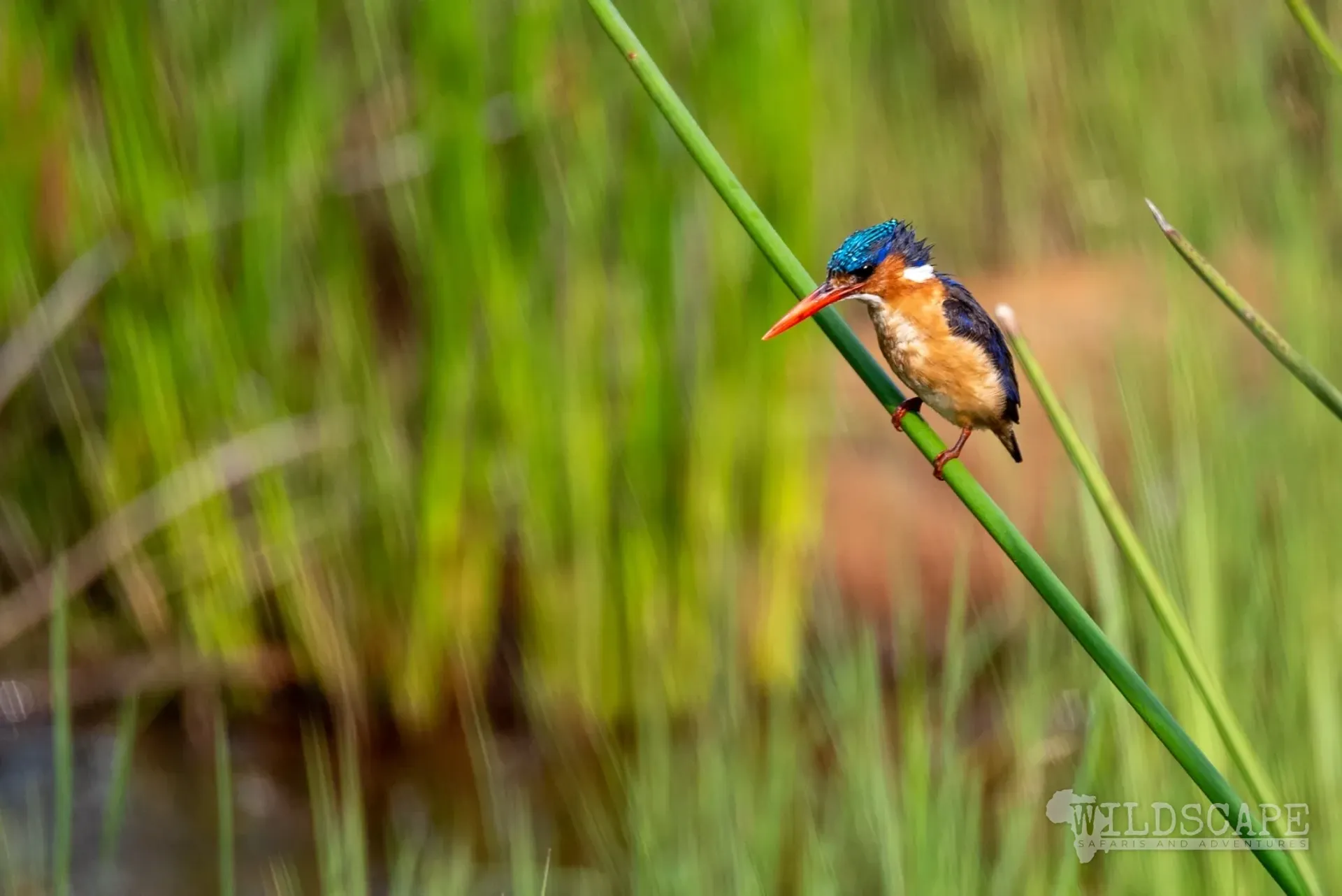
Birds are what turns a slow morning into a good one. On the day the cats are hiding and the road is empty, the difference between a wasted drive and a full one is whether you are looking at anything smaller than a buffalo.
They also change with the season in a way the mammals do not. The green summer brings the migrants in — the bee-eaters, the cuckoos, the storks — and a park that felt quiet in July is loud in December. That is one of the few honest arguments for travelling in the low season.
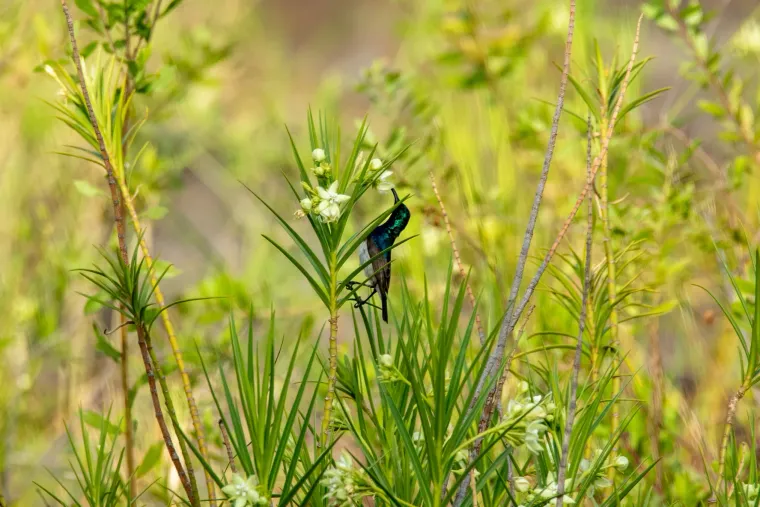
And they are everywhere, which is the point. You do not have to find a bird. A camp with a bird bath will hand you half a dozen species before breakfast, from a chair.
When it is worth it
Where you find them
For the camera
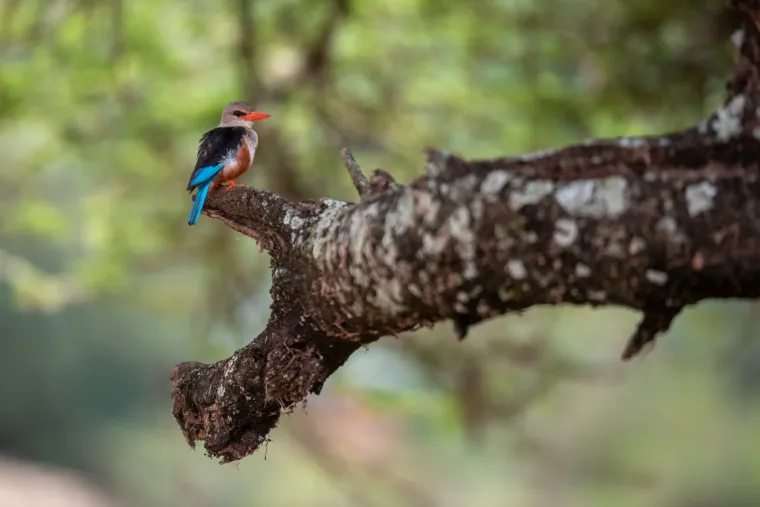
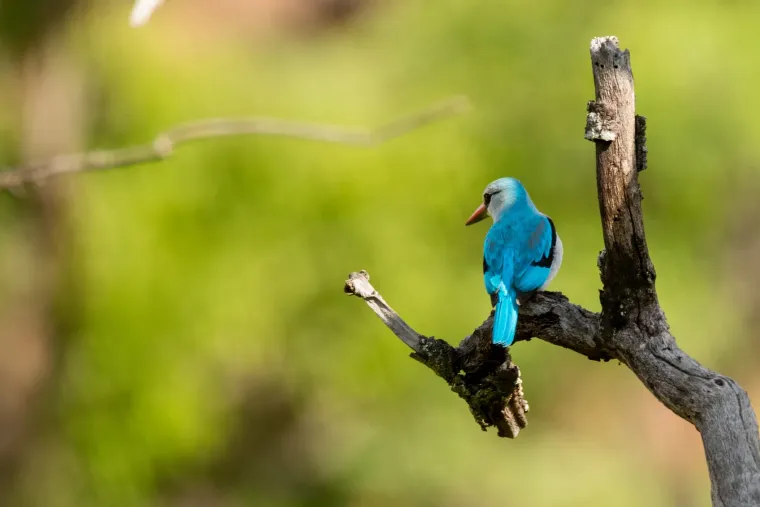
- A perched bird gives you time, which almost nothing else out there does. Use it: get the background clean before you worry about the bird.
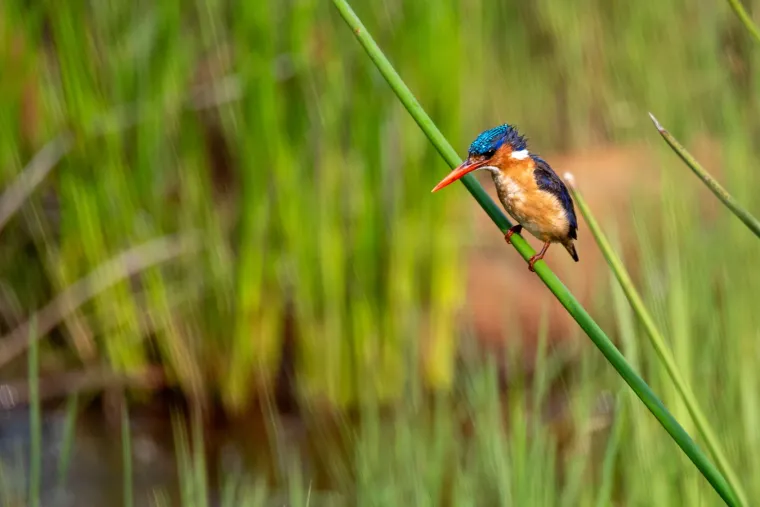
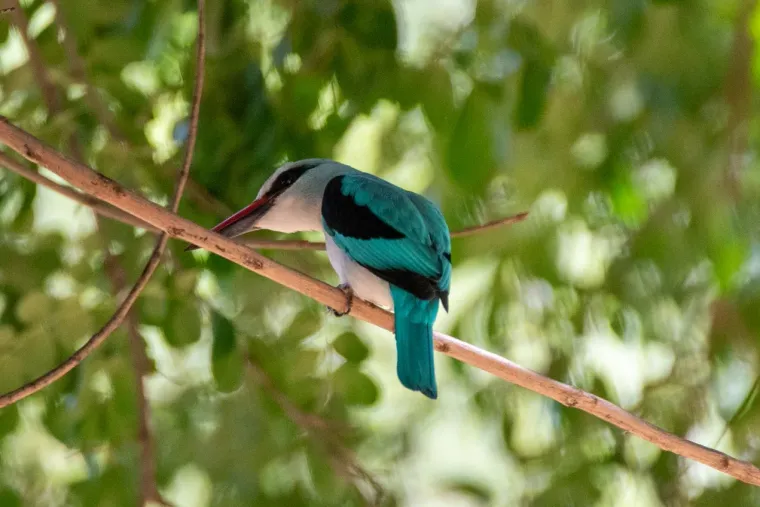
- Kingfishers return to the same perch. Watch where one lands, then set up for that branch and wait rather than chasing it.
- This is where a long lens earns its weight. It is also the only subject that regularly rewards standing still in one place for an hour.
Questions people ask
Is it worth carrying binoculars?
More than any second camera body. Half of what makes a park interesting is too small or too far away to see with your eyes, and it is not only birds.
Which park is best for birding?
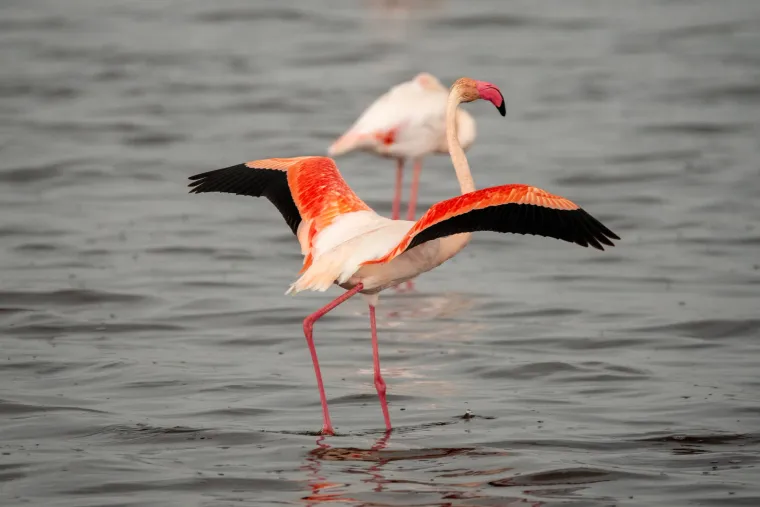
The far north of Kruger around Pafuri, and the Zambezi at Mana Pools. Chobe is excellent from the water. Etosha is the odd one — dry, but the pan draws flamingo and pelican in wet years.