Elephants and the river
Chobe National Park
About Chobe National Park
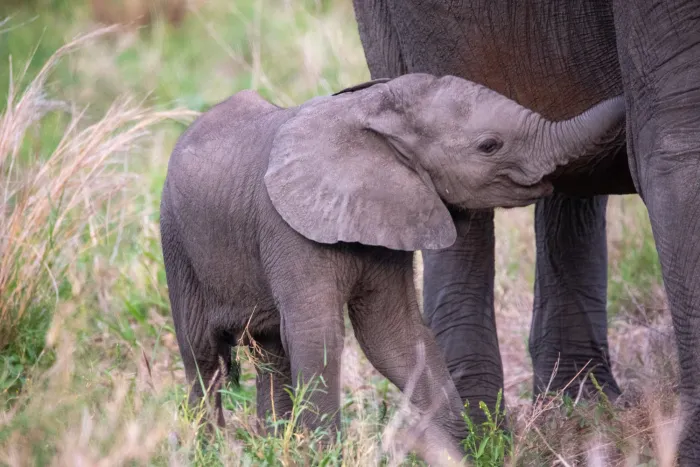
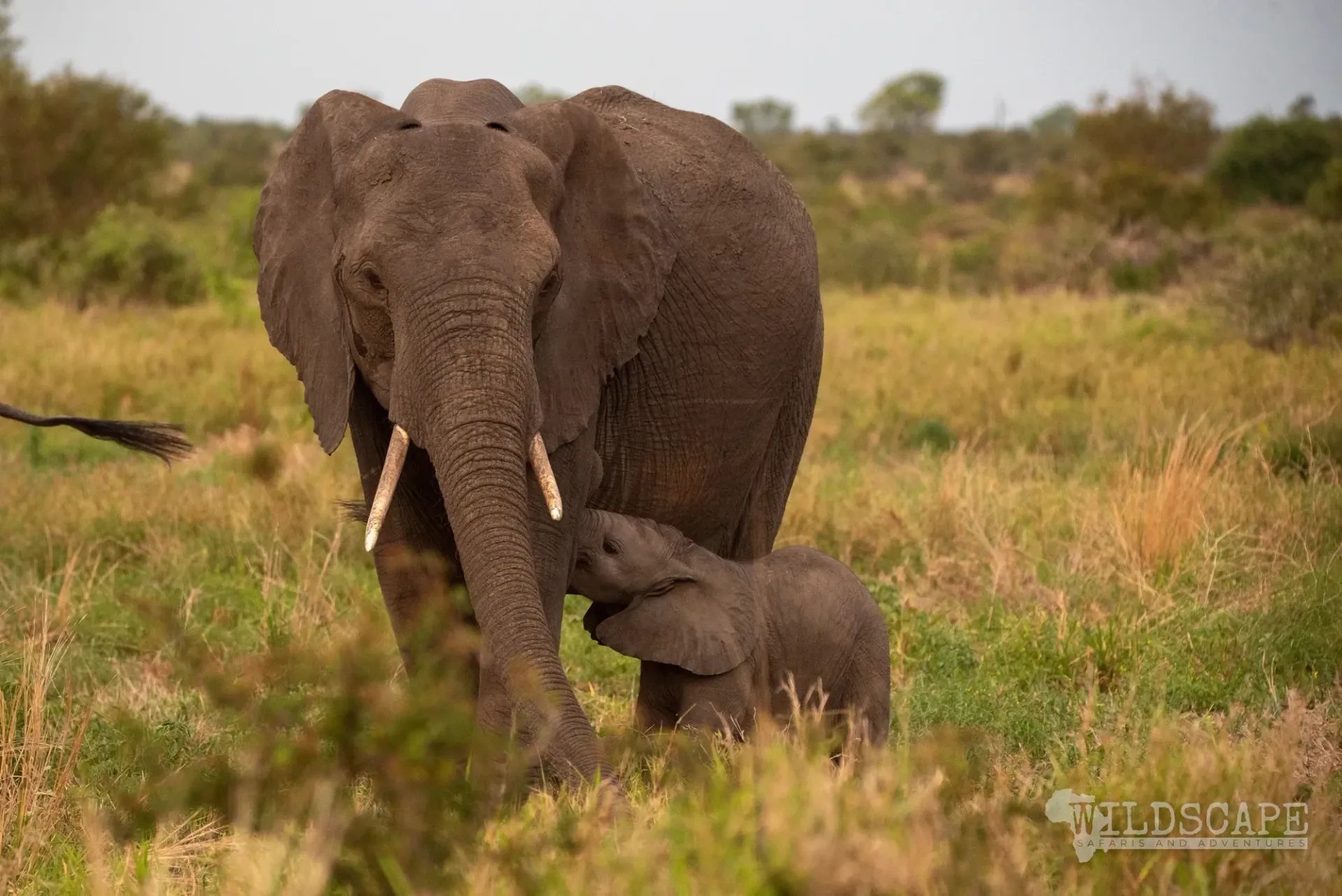
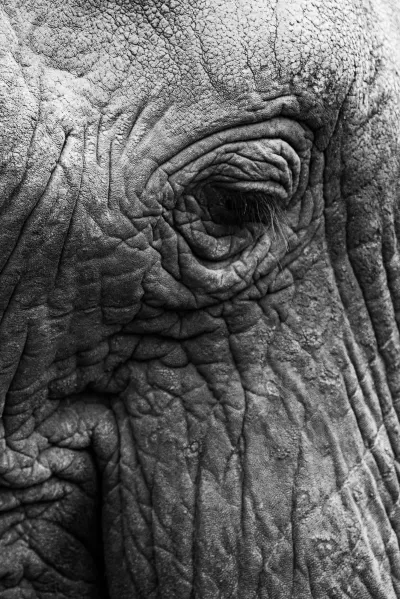
Botswana holds the largest elephant population on the continent, and in the dry season a great many of them come to the Chobe river. What that means in practice is hard to convey: not a herd crossing the road, but herd after herd, on the bank, in the water, all afternoon.
The park has distinct sections that feel like separate places. The riverfront near Kasane is the accessible one and the reason most people come. Savuti, inland, is dry savanna with a channel that has flowed and dried again over decades for reasons nobody has fully explained; it is famous for predators and for sand. Linyanti in the north-west is remote and quiet.
Between those sections lies the actual difficulty: long stretches of deep sand where you make maybe twenty kilometres in an hour, and low-lying ground that is under water for part of the year.
What the driving is like
- A high-clearance 4×4 is not a recommendation here, it is the entry requirement. Between the sections there is deep sand for hours at a stretch.
- Which routes are open depends on the water level, and that changes with the season and the year rather than with the map.
- Self-drivers inside the park need to be self-sufficient: fuel, water, recovery gear, and the ability to deal with a problem where there is nobody to call.
- The riverfront near Kasane is the exception — it is close to town and far easier to reach, and it is where most self-drive visits actually start.
When to go
May to October, dry season
The season for the elephants at the river. The interior dries out, the animals move to permanent water, and the sand tracks are at their most driveable. Peak season, and the campsites go early.
November to April, green season
Rain, high grass, dispersed wildlife and roads that can turn from passable to impassable within a day. Beautiful, empty and cheap, and the season in which a self-drive route needs the most experience and the most slack in it.
What this changes for your planning
01
The river is the attraction and the boundary
It draws the elephants and it also limits where you can drive. On a self-drive route the two are the same fact.
02
A boat is not a fallback, it is a different view
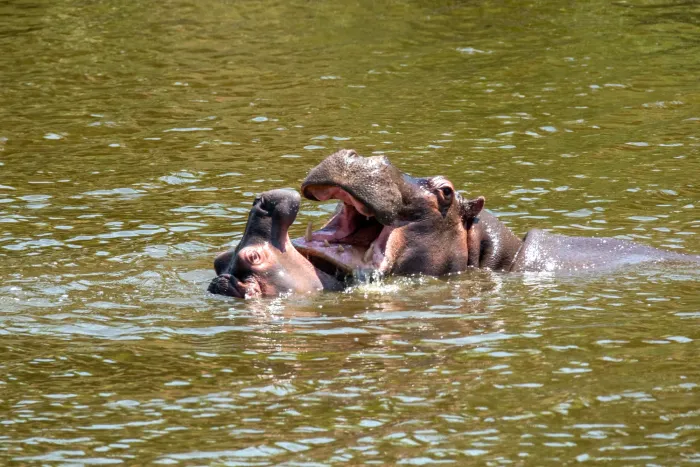
From the water you are at eye level with drinking elephants and hippo, and you get there without a single kilometre of sand. Many people who drive everything else still take the river.
03
Savuti is a separate decision
It is a long, sandy day away from the riverfront and it is a different park in every respect. Worth it, and not something you slot in on the way past.
04
The campsites decide the route
Inside the park there are few of them and they are booked far in advance. In Botswana the accommodation is planned first and the route second, not the other way round.
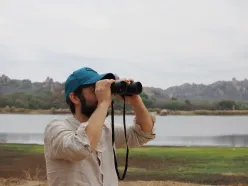
From my own trips
A 4×4 with high ground clearance is essential. The vehicle should have good air conditioning, reliable spare tyres and room for your gear.
How long to plan
4 to 5 nights
Two on the riverfront, two inland, and one for the sand in between. Doing only the riverfront is a shorter and perfectly good trip — it is just a different one.
The sections, and what they mean
01
The Chobe riverfront
The accessible part, close to Kasane. This is where the elephants come to drink in the dry season, and where most self-drive visits start.
02
Savuti
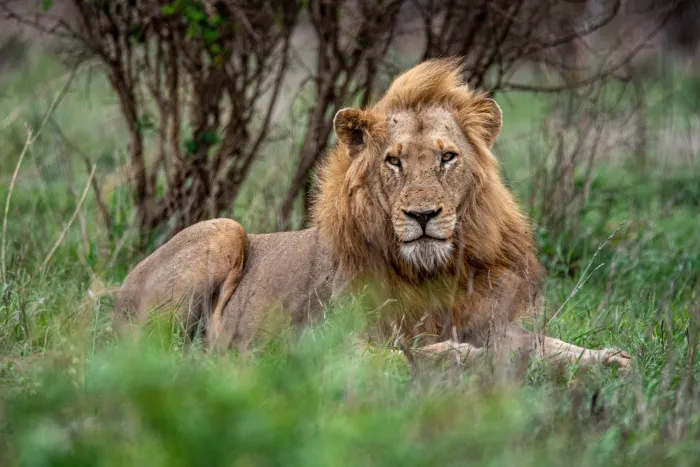
Inland, dry savanna, famous for predators and for a channel that has flowed and dried again over decades. A long, sandy day from the river.
03
Linyanti
North-west, remote and quiet, on the marsh. Few people get there, which is exactly the point for those who do.
04
Kasane
The town at the gate. Fuel, supplies, lodges, and the boats. Whatever you forgot, you get it here and nowhere further in.
For the camera
- From a boat you are at eye level with drinking elephants, and eye level is a different photograph from looking down out of a vehicle window.
- Late afternoon on the riverfront puts the sun behind the animals and the dust in the air. It is the one time of day the place photographs the way people remember it.
- Sand is hard on equipment in a way dust is not. Everything that opens should stay shut on the drive between sections.
What goes wrong
- Planning the Kasane–Savuti leg as a half day. It is not, and there is nothing along it.
- Booking the route before the campsites. In Botswana the beds decide where you can go, not the map.
- Assuming a high-clearance 2WD will do. On the riverfront maybe. Between the sections, no.
Questions people ask
Do I really need a 4×4?
For the park itself, yes, and a proper one. Deep sand for hours at a stretch is the normal condition between the sections, not the bad day.
Can I visit without driving it myself?
Yes, and many people who self-drive everything else still take the river by boat. It is not a fallback, it is the best view in the park.
How many elephants are there really?
Botswana holds the largest population on the continent, and in the dry season a great many of them are on this river. The honest answer is that the number stops mattering once you have seen it.
When should I go?
May to October for the elephants at the water and for the sand at its most driveable. The green season is beautiful, empty, cheap and the hardest to plan around.
Is it a malaria area?
Yes, and more so in the wet season. Same rule as Kruger: a conversation with your doctor before you book.
Borders: Natural Earth