What the whole thing is built on
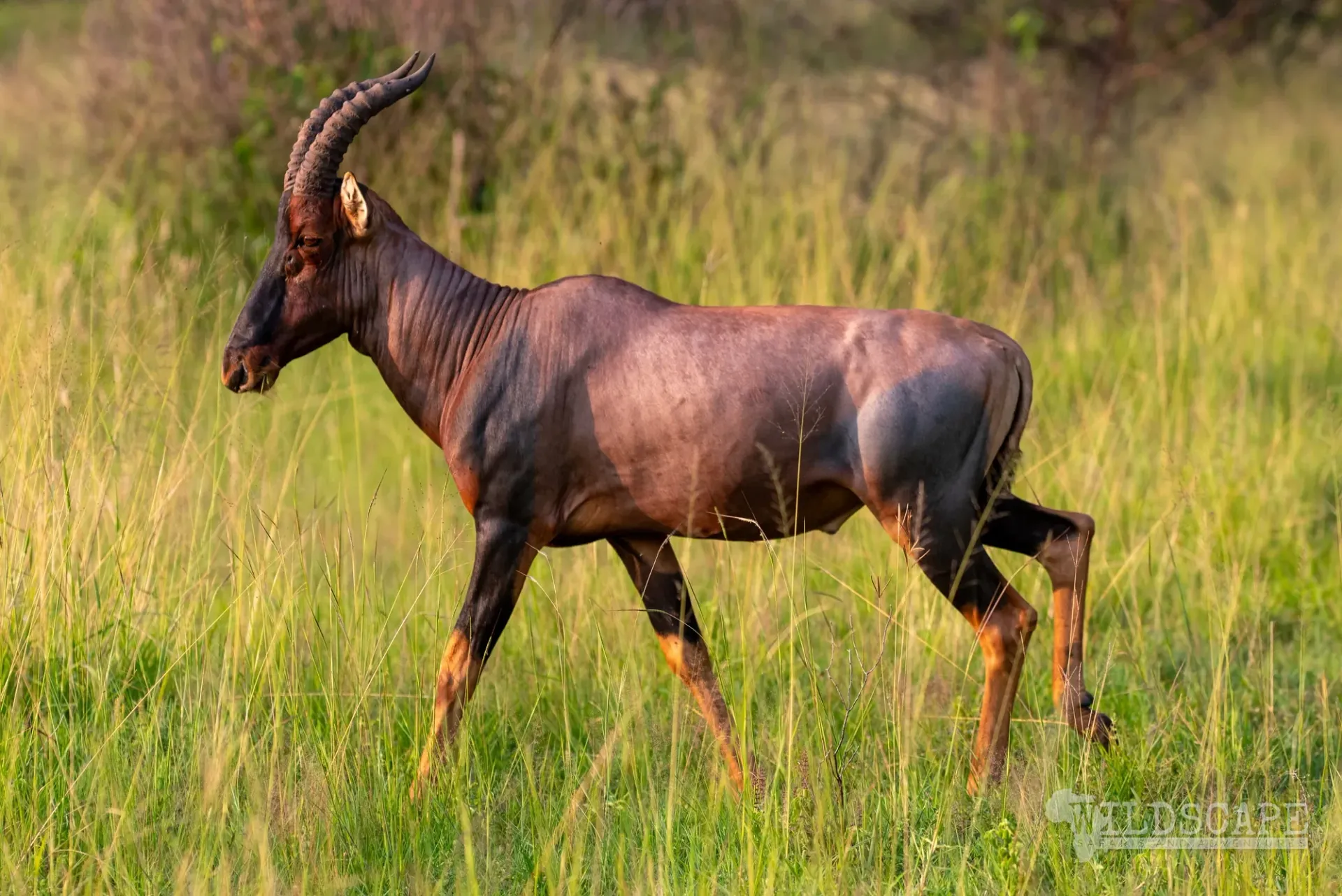
Antelope
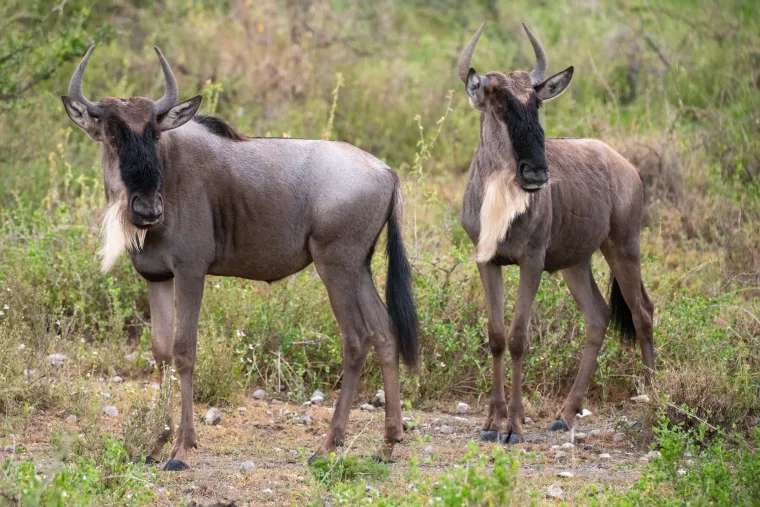
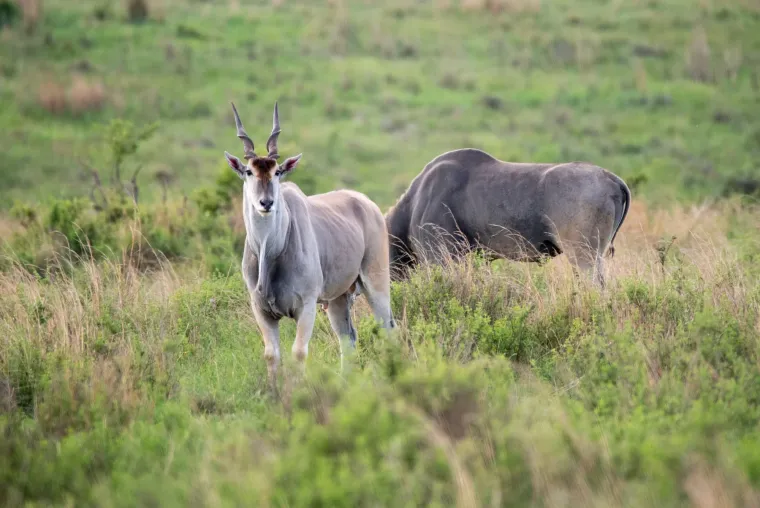
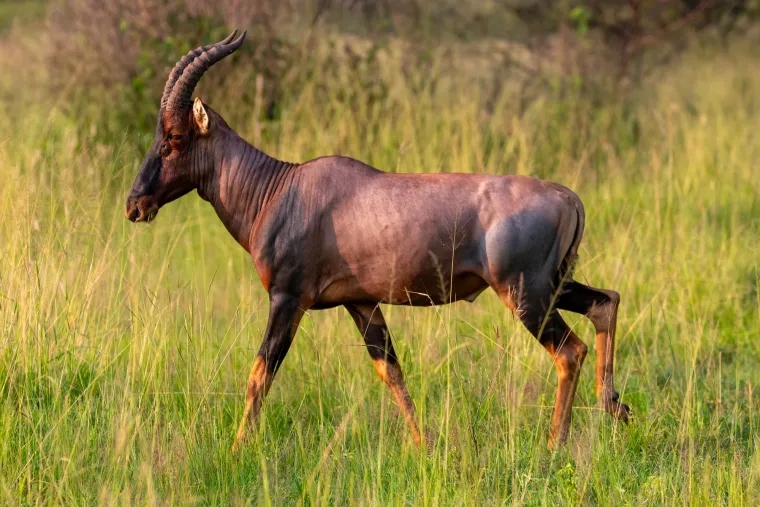
Antelope are what everybody drives past on the way to the lions, and they are what the lions are there for. Learning three or four of them changes a safari more than any other single thing, because they are the animals that tell you what else is around.
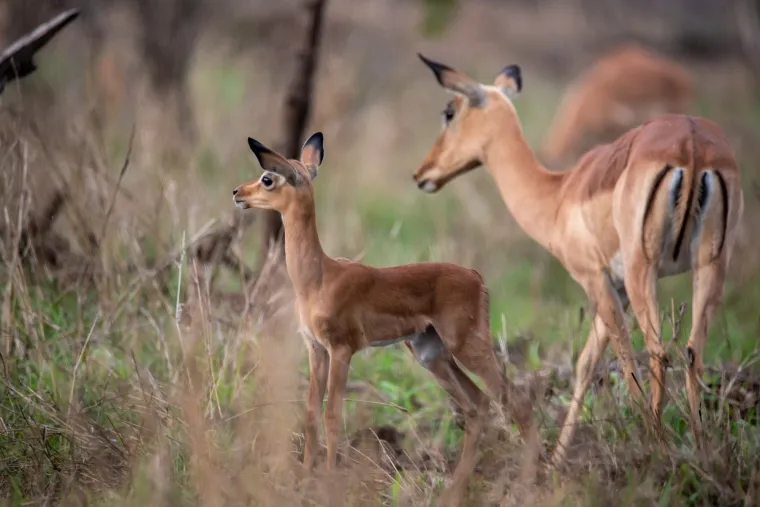
A herd of impala all facing the same way with their heads up is not eating. Something is out there, and they know where it is long before you do. Reading that is the difference between finding a predator and being told about one at dinner.
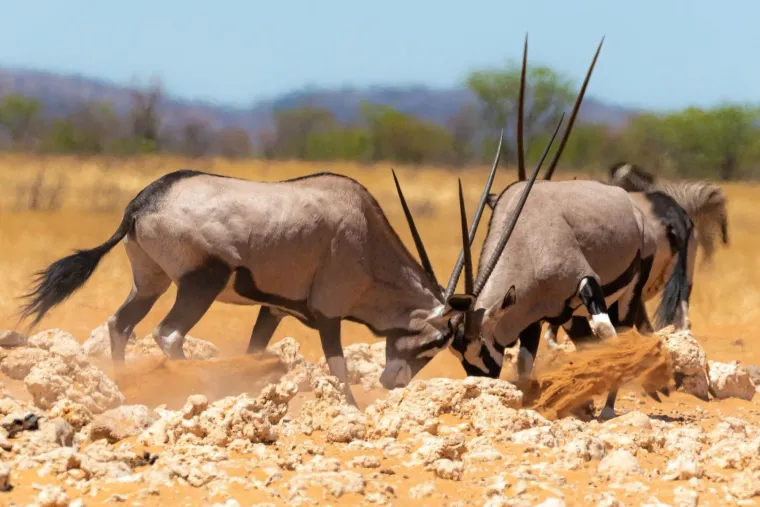
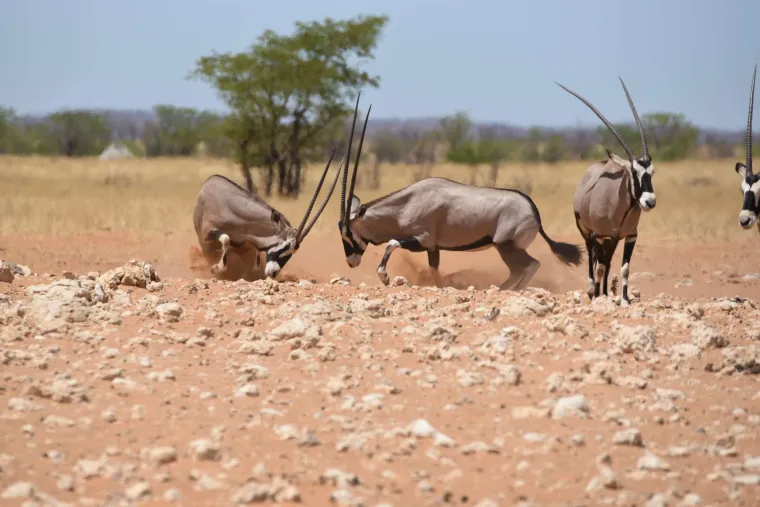
They also divide the parks between them. The oryx belongs to the desert — it can go without drinking for remarkable stretches, which is why the Kgalagadi and Etosha have them and Kruger does not. The impala belongs to the bushveld and is so common there that people stop seeing it.
When you actually see them
Where you find them
For the camera
- Oryx are one of the most graphic animals in Africa: black and white face, straight horns, red dune behind. They photograph like a design, not like a mammal.
- Photograph the behaviour, not the portrait. Two males fighting, a herd running, an impala mid-leap — the standing side-on shot is the one nobody looks at twice.
- At a waterhole they arrive in order and leave in a hurry. The picture is usually the moment the whole herd lifts its head at once.
Questions people ask
Why is there no oryx in Kruger?
It is a desert animal, adapted to going without water. Kruger is bushveld with rivers running through it — the wrong habitat entirely. Which is a good example of why a route should not treat all parks as interchangeable.
How do I tell them apart?
Start with the horns and the rump. Three or four species is enough to make everything else fall into place, and it makes the drives far more interesting than ticking off cats.