The one everybody comes for
Lion
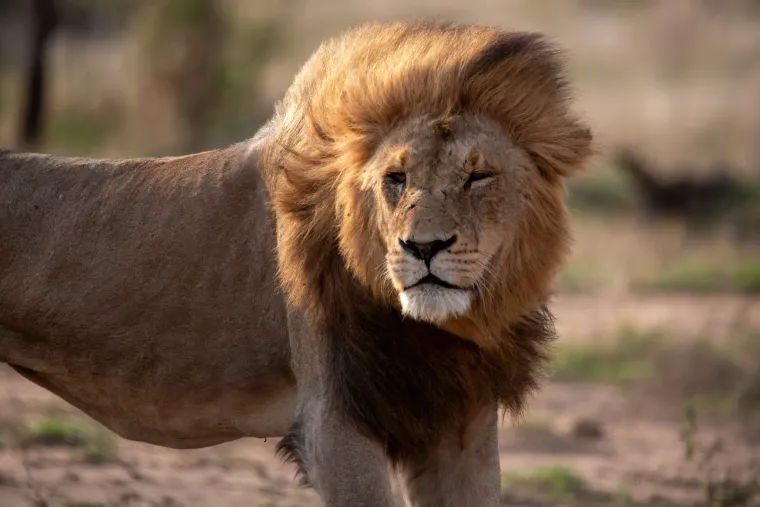
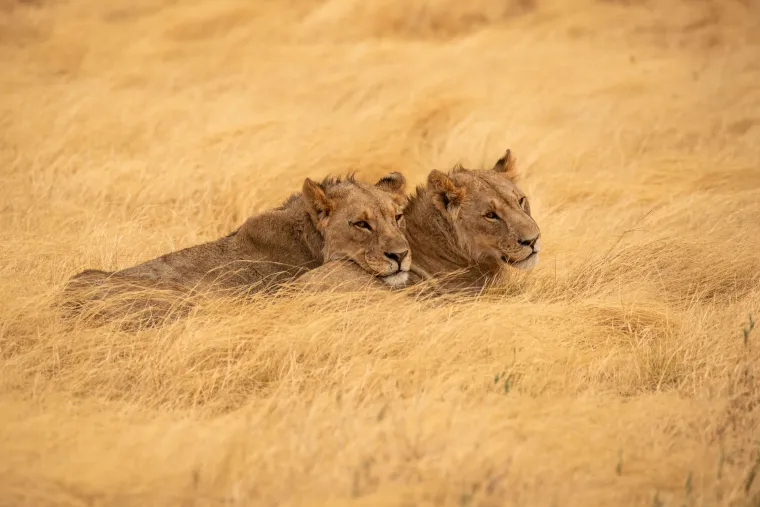
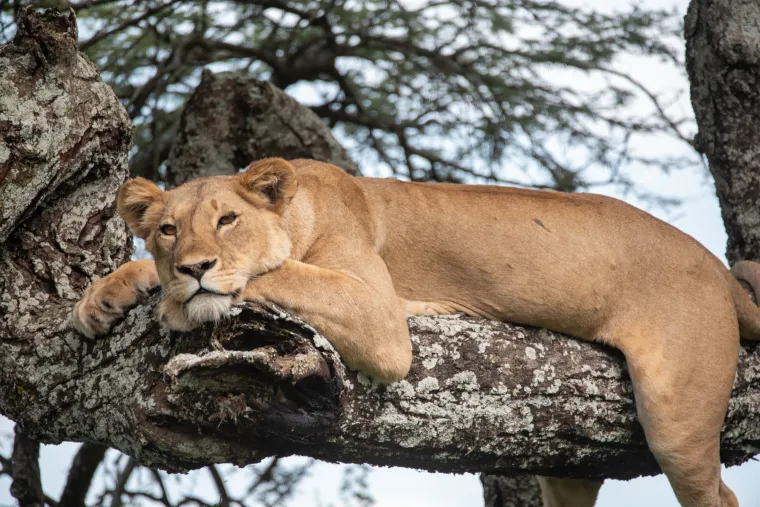
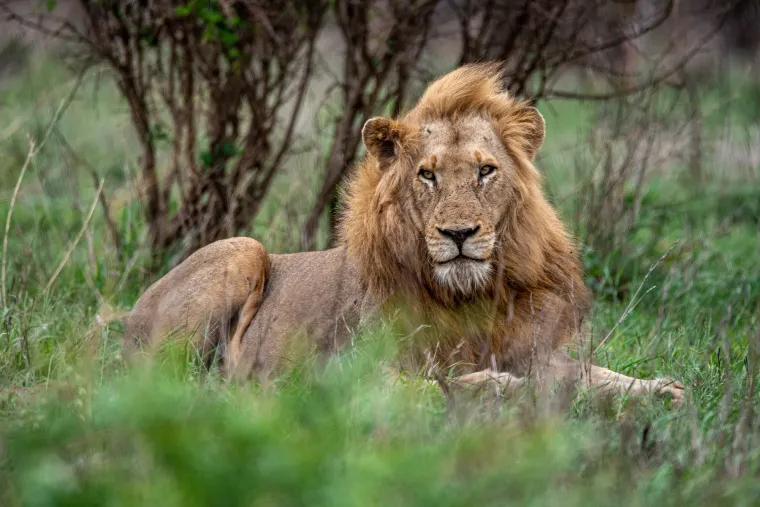
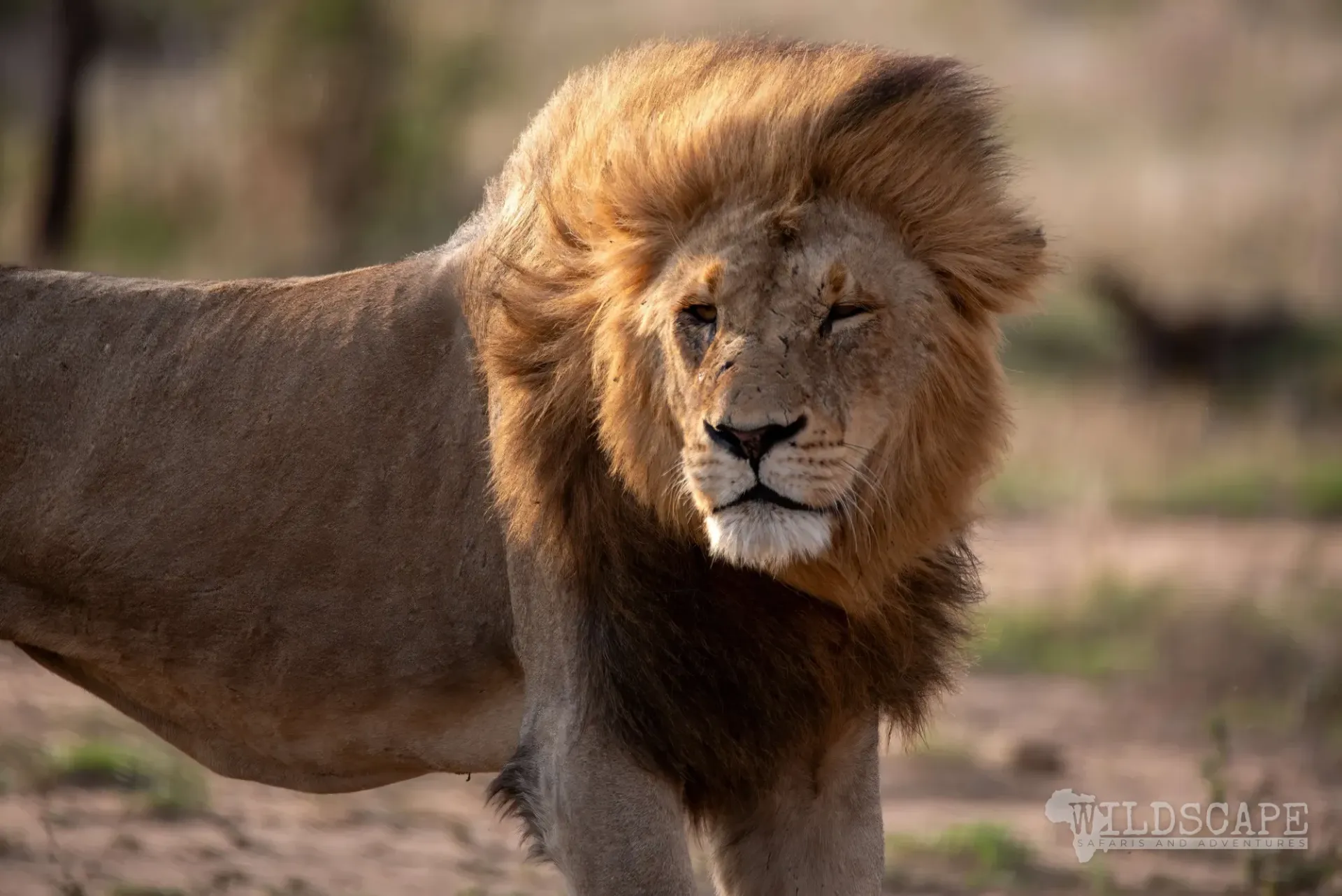
The lion is the animal that gets people onto the plane, and the animal they are most likely to see asleep. Lions rest for the better part of the day — sixteen to twenty hours is normal — and what you get at eleven in the morning is a tawny shape under a bush that does not move.
Everything interesting happens at the edges of the day. They hunt in the cool, they move at first light, and they are loudest after dark: a roar carries several kilometres, which is why camps in lion country sound the way they do at three in the morning.
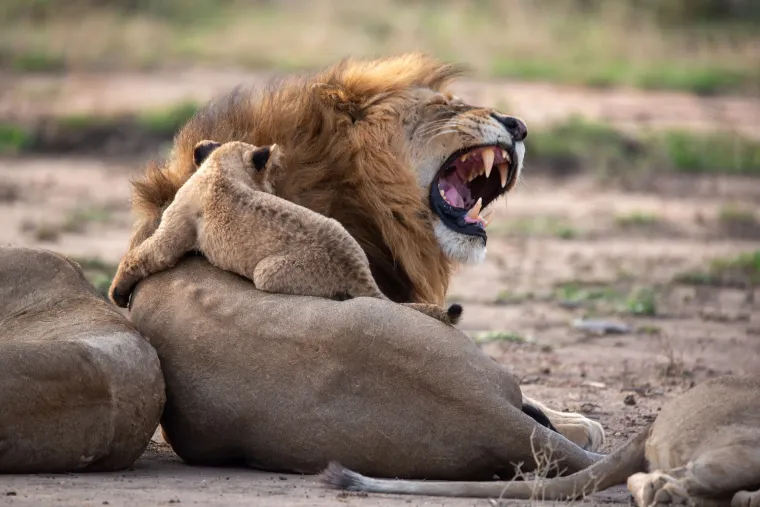
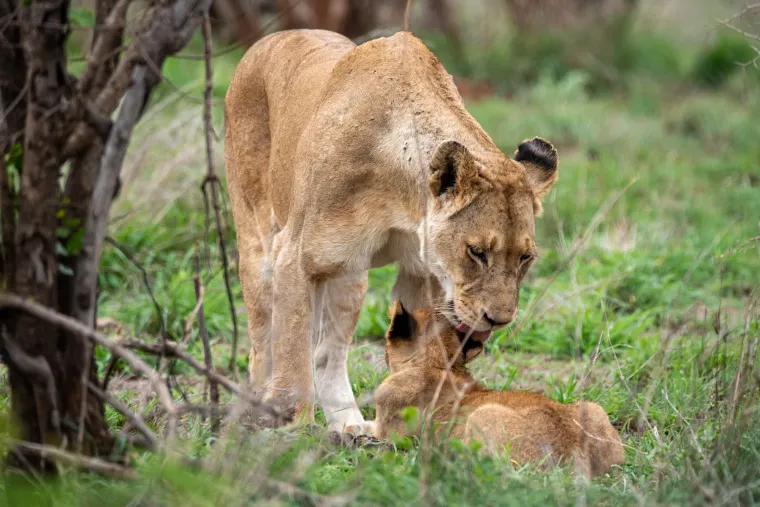
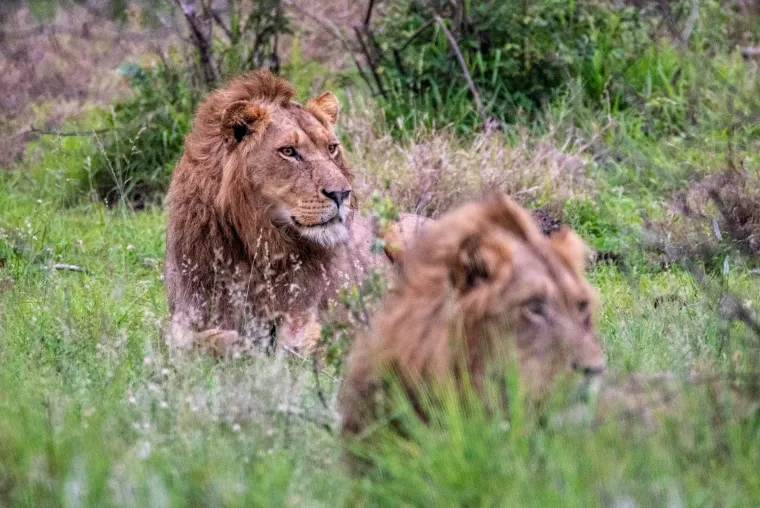
They are also the one big cat that lives in groups, and that is what makes them worth waiting for. A pride is a set of relationships — who greets whom, which cub gets away with what — and none of it is visible in a single frame.
When you actually see them
Where you find them
For the camera
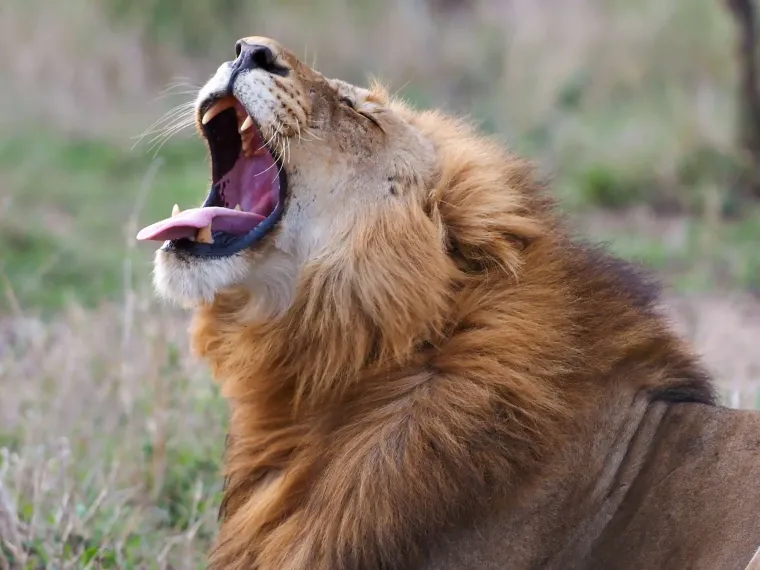
- A sleeping lion is not a photograph. Wait for the yawn, the stretch or the head lifting — it comes, usually when everybody else has driven off.
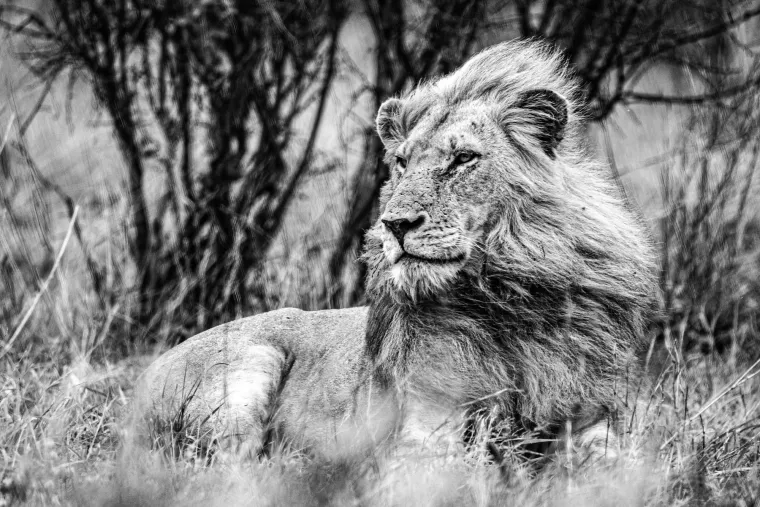
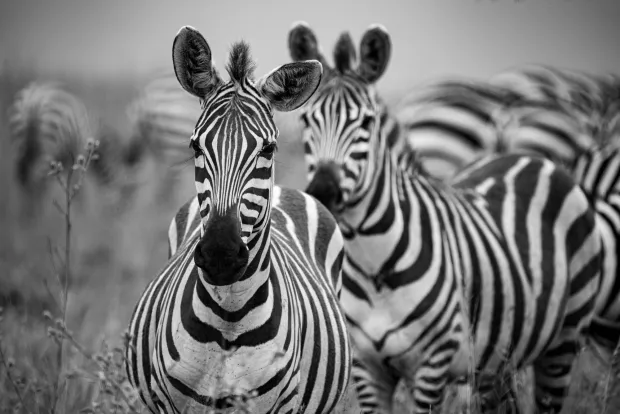
- Black and white solves the biggest problem with lions: at midday the colour of a lion and the colour of dry grass are the same colour.
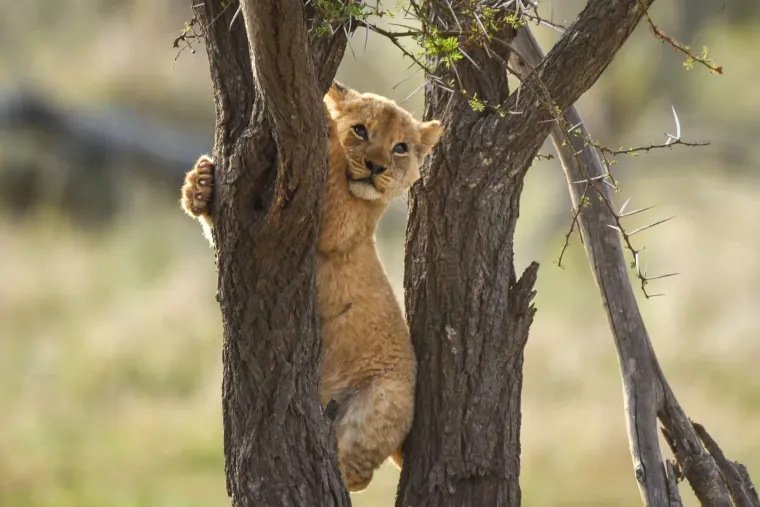
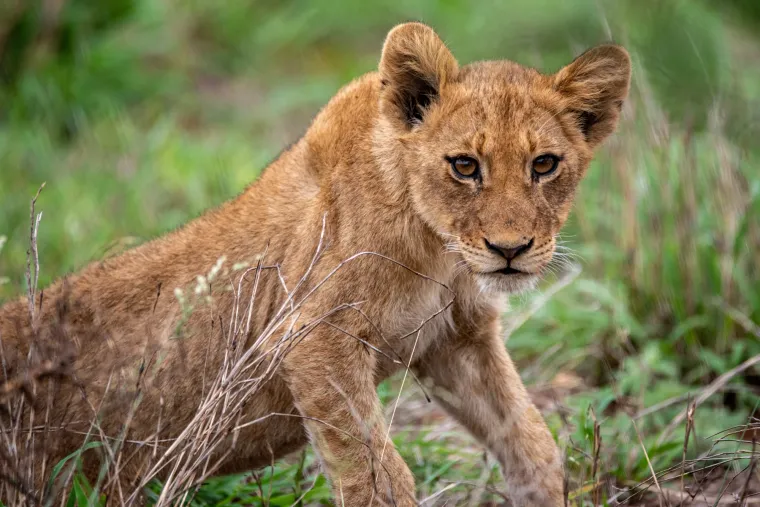
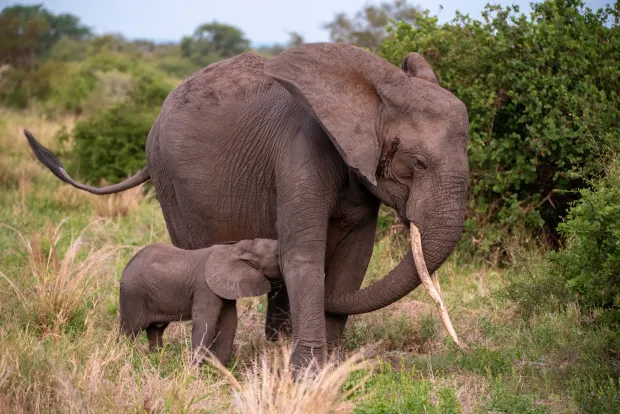
- The cubs are where the pictures are. They move while the adults do not.
Questions people ask
Am I likely to see lions?
In all five parks, yes, and in the dry season in Kgalagadi and Etosha the odds are unusually good. Seeing them hunt is a different matter — most people who have been many times have seen it once.
Is it safe in a car?
Yes, as long as you stay in it. A vehicle is not read as prey or as a threat; a person stepping out of one is read as both.