Red dunes and distance
Kgalagadi Transfrontier Park
About Kgalagadi Transfrontier Park
The Kgalagadi was Africa’s first transfrontier park: two national parks, one on each side of a border that is not fenced, run as a single conservation area. Animals have never observed that border, and since 2000 the administration no longer does either.
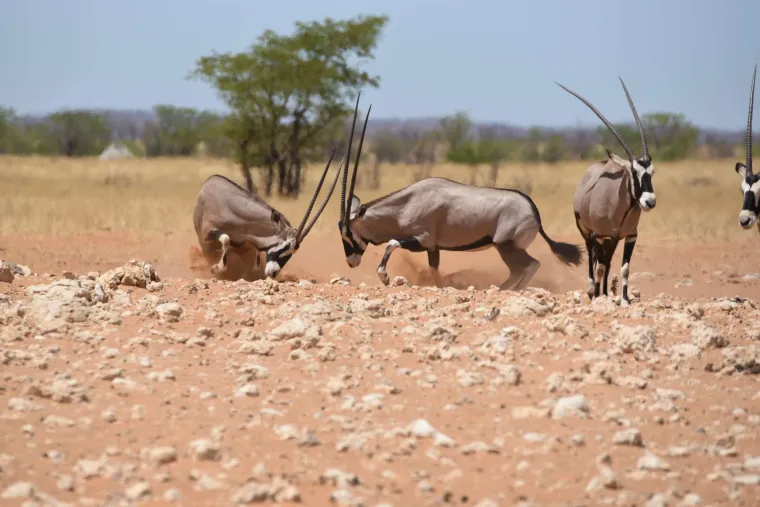
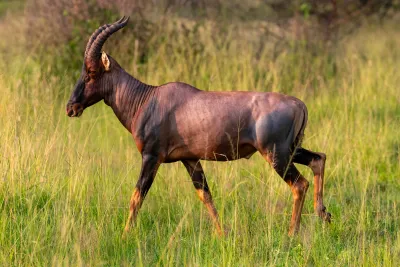
What makes it unlike anywhere else is the geography. Two dry riverbeds, the Auob and the Nossob, cut through the dune fields, and virtually everything gathers along them, because that is where the boreholes are. The tracks run down those same riverbeds. The result is a park where sightings are extraordinarily open: no thicket, no undergrowth, just red dune, pale grass and whatever is standing in it, often at a distance you can watch for an hour without disturbing anything.
That openness is also the reason photographers keep coming back. There is no bad background here.
What the driving is like
- The riverbed tracks are gravel and sand and are corrugated for long stretches. Tyre damage is the single most common problem visitors have here.
- The dune roads between the two riverbeds and the routes onto the Botswana side are 4×4 only, and some have to be arranged in advance.
- Distances between camps are long and there is no fuel between them. This is a park where the tank, the water and the spare are part of the route plan.
- Mobile coverage is patchy to absent over most of the park. That is not an inconvenience here, it is a planning parameter.
When to go
March to May and September to October
The most comfortable months. Warm days, cool nights, good light. The transition seasons are the sweet spot in the Kalahari, and they are less obvious than the winter, so the camps are easier to get.
June to August, winter
The classic game viewing season, and brutally cold before dawn: below freezing is normal, and you feel every degree of it in an open vehicle. Predator sightings around the boreholes are at their best.
December to February, summer
Over 40 °C is routine. After the rains the grass turns green, the springbok lamb and the raptors are there in numbers, but the middle of the day belongs to the shade, and so does the wildlife.
What this changes for your planning
01
The riverbed is the park
Almost every sighting happens along the Auob and the Nossob, because that is where the water is. Planning here means deciding which riverbed you sleep on, not which loop you drive.
02
The distances are the difficulty
Nothing about the driving is technical on the main tracks. What is demanding is that the next camp is hours away, there is no fuel in between, and nobody is coming the other way.
03
Two countries, one park, two sets of rules
Crossing to the Botswana side is possible, and it is a border crossing with everything that implies. It is worth doing and it is not spontaneous.
04
The camps book out a long way ahead
Especially the small wilderness camps, which are the reason many people come. The date decides the trip here more than anywhere else in this list.
From my own trips
If you travel far from the next village in rarely used areas, pack emergency food and a satellite phone or another way to call for help. Reputable rental companies offer some of this as add-on equipment, for a fee, and it has to be requested in advance.
How long to plan
4 to 6 nights
The distances decide it. Two nights on each riverbed plus the day it takes to get in and out is the shortest version that does not feel like a transfer with animals beside it.
The camps, and what they mean
01
Twee Rivieren
The entrance camp in the south and the largest. Fuel, shop, and the only one with reliable mobile coverage. Most trips start and end here.
02
Nossob
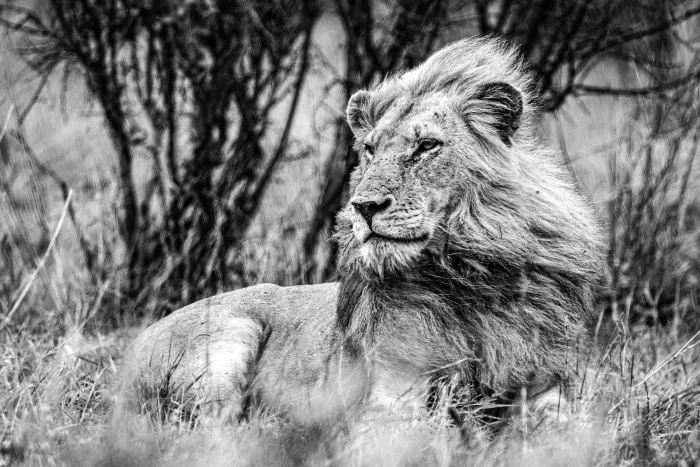
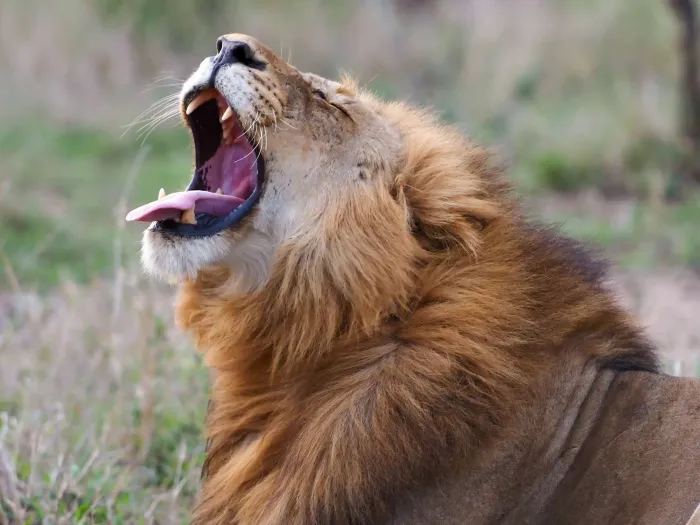
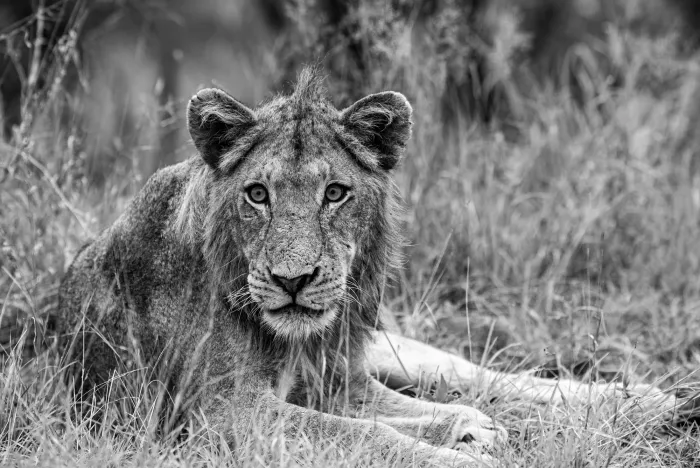
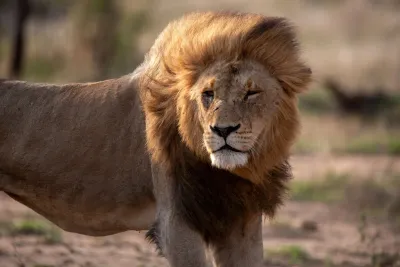
Deep in the park on the Nossob riverbed, close to the Botswana border. Remote, hot, and the classic address for the black-maned lions.
03
Mata-Mata
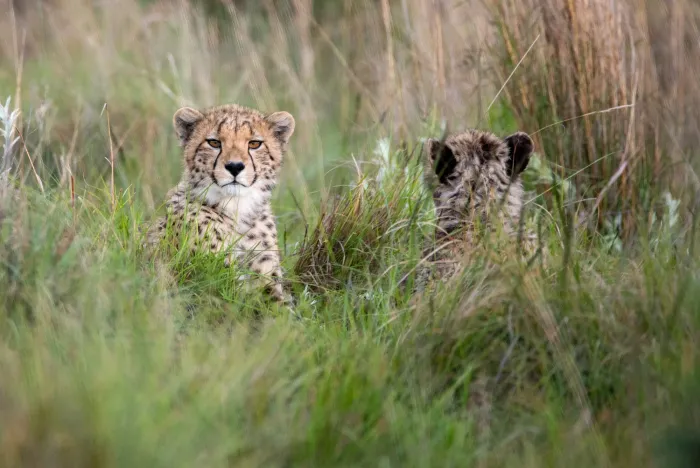
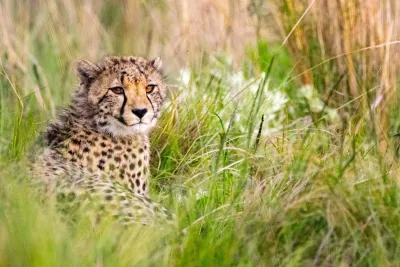
On the Auob in the west, at the Namibian border. The drive up the Auob is the gentler of the two riverbeds and often the better one for cheetah.
04
The wilderness camps
A handful of tiny unfenced camps out in the dunes, a few units each, no shop and no fuel. They are the reason many people come back, and they are gone from the calendar first.
For the camera
- The background is the point here. Red dune, pale grass, nothing in between — this is the one park where you can photograph a predator without a branch through its face.
- Both riverbeds run roughly north to south, so the light comes from the side for most of the day. Which side of the track you stop on matters more than where you stop.
- The heat haze off the sand ruins long lenses from mid-morning onward. Everything worth having happens before it starts and after it stops.
What goes wrong
- Underestimating the tyres. Corrugated gravel over long distances is what ends most trips early here, not the sand.
- Treating the dune roads between the riverbeds as a shortcut. They are the slow part, not the quick one.
- Arriving without enough water and fuel for the leg after the next one. There is no shop between the camps.
Questions people ask
Do I need a 4×4?
For the riverbed tracks, high clearance matters more than four-wheel drive. For the dune roads between them and for anything on the Botswana side, a proper 4×4 is not optional.
Are there elephant and rhino?
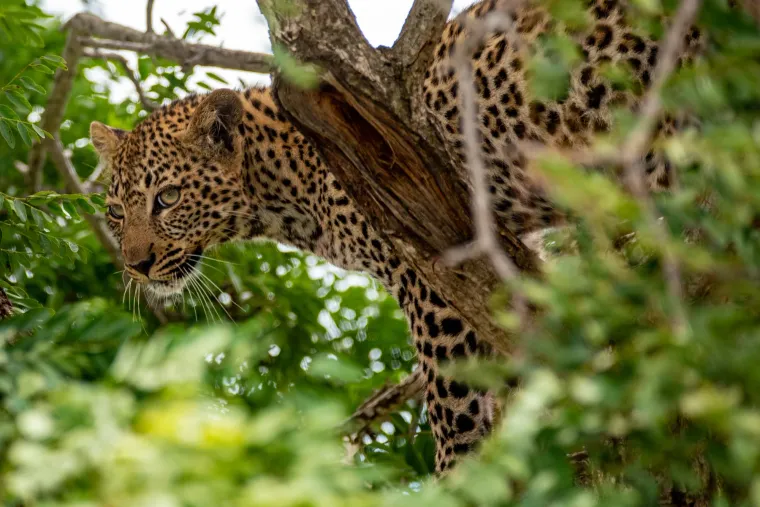
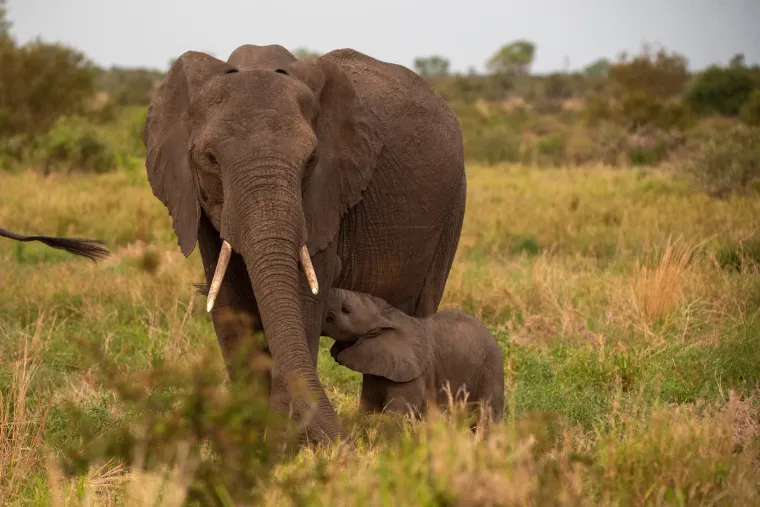
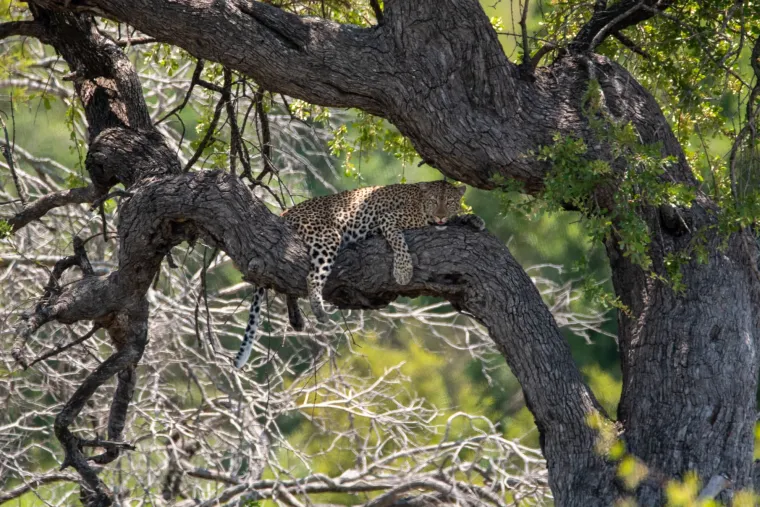
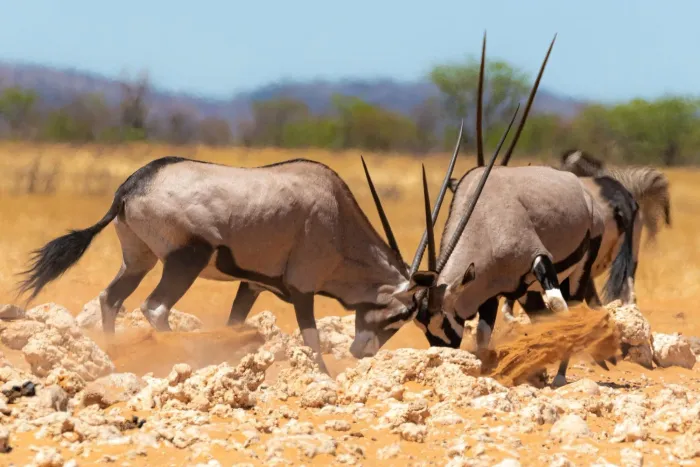
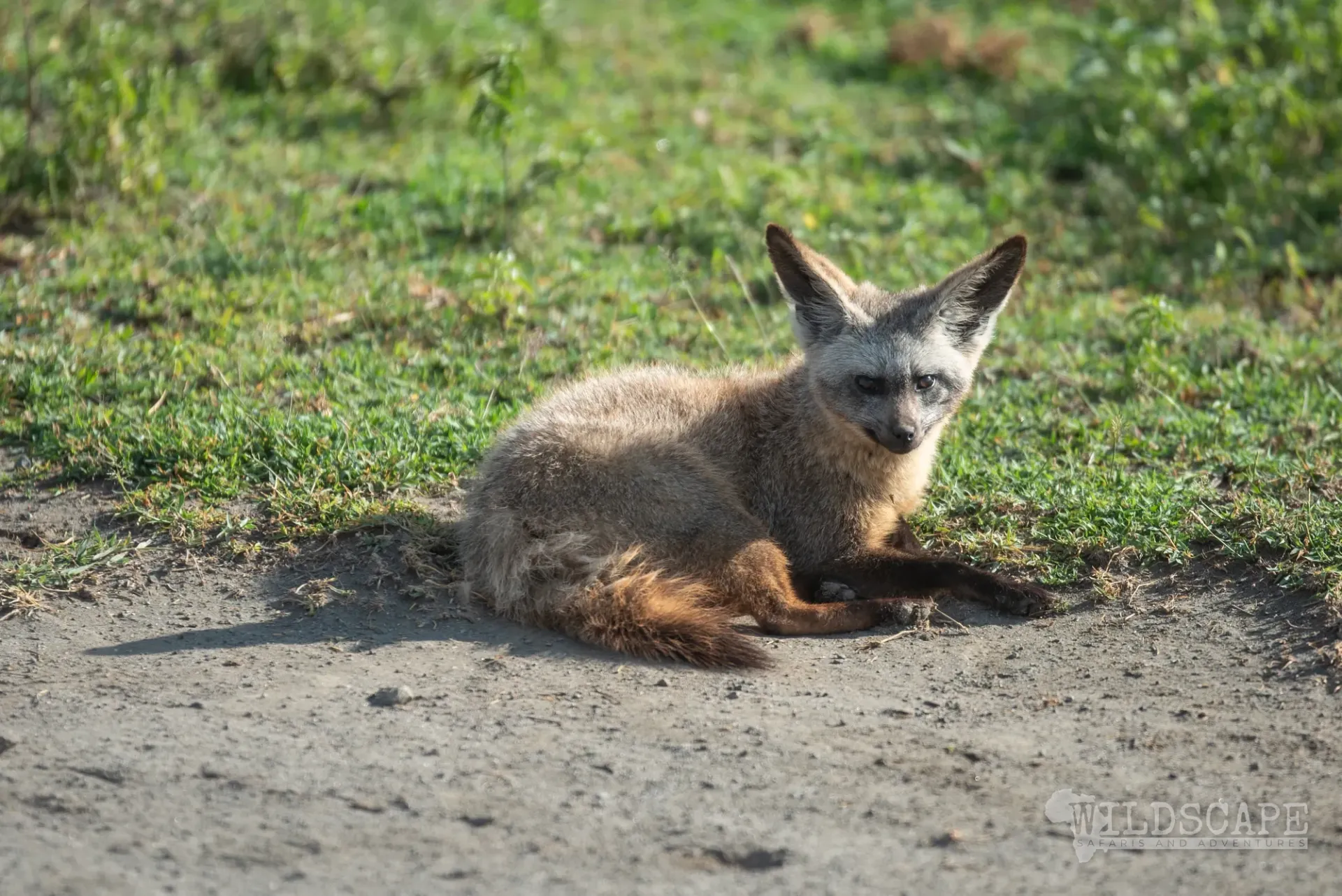
No. No elephant, no rhino, no buffalo, no hippo. This is a desert park, and what it has instead — predators in open country, oryx, bat-eared fox, meerkat — you will not see like this anywhere else.
How cold does it actually get?
Below freezing on winter nights, regularly. People pack for Africa and then sit in an open vehicle at dawn in June wishing they had not.
Can I cross into Botswana?
Yes, and it is a border crossing with everything that implies, plus routes that have to be arranged in advance. It is worth doing and it is not a spontaneous decision.
Is there mobile coverage?
At Twee Rivieren, mostly. Beyond it, assume none. That is a planning parameter here, not an inconvenience.
Borders: Natural Earth