The one that changes how you drive
Elephant
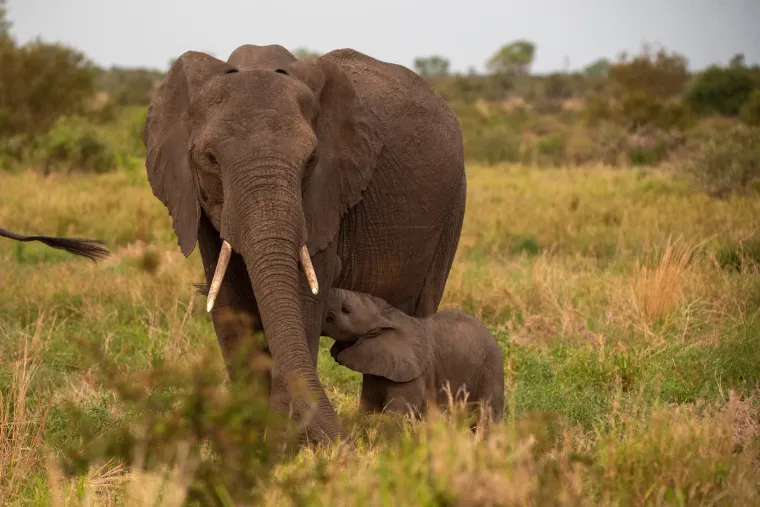
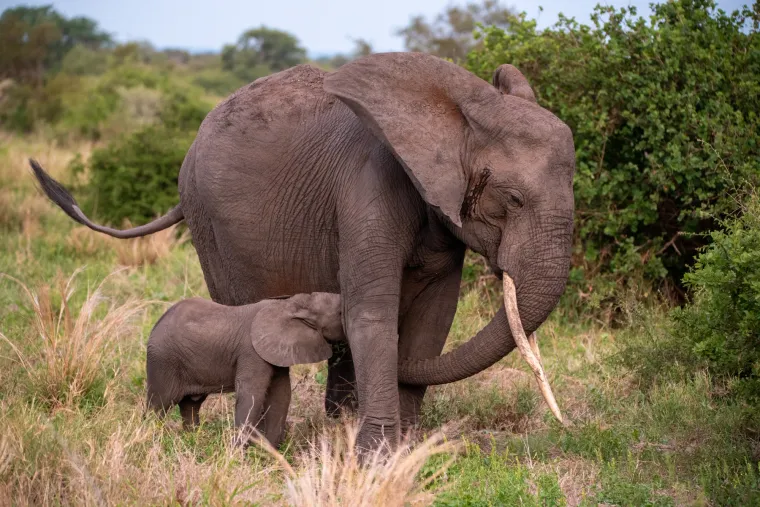
Elephants are the animal that changes how you drive. Everything else you watch; an elephant you also read. A herd crossing the road is not an obstacle to be squeezed past — it is a family with young in the middle, and the cows on the outside are doing exactly what you would do.
The Chobe river in the dry season is a different order of magnitude. Botswana holds the largest population on the continent, and a great many of them come to that water in the afternoon. It is not a herd crossing the road; it is herd after herd, for hours.
They are also the most legible animal out there. Ears out and head high is a display, and it is meant to move you. Ears back, head down and no sound is not a display. Anyone who spends time around them learns the difference quickly, and it is the single most useful thing a self-driver can know.
When you actually see them
Where you find them
For the camera
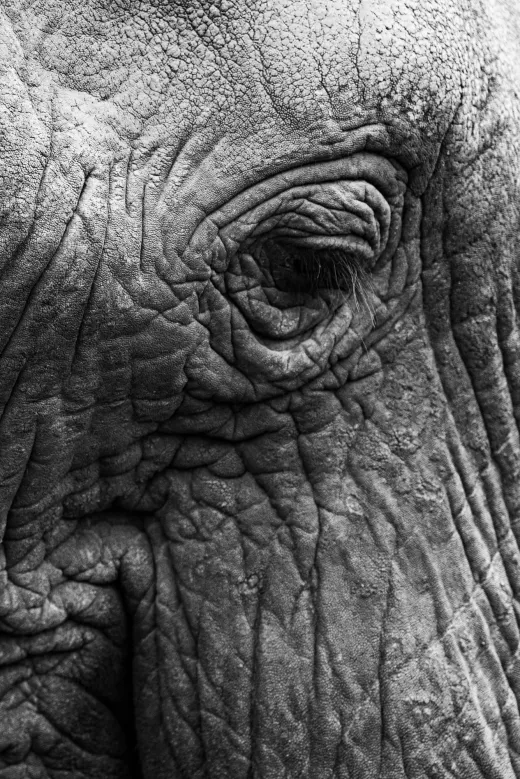
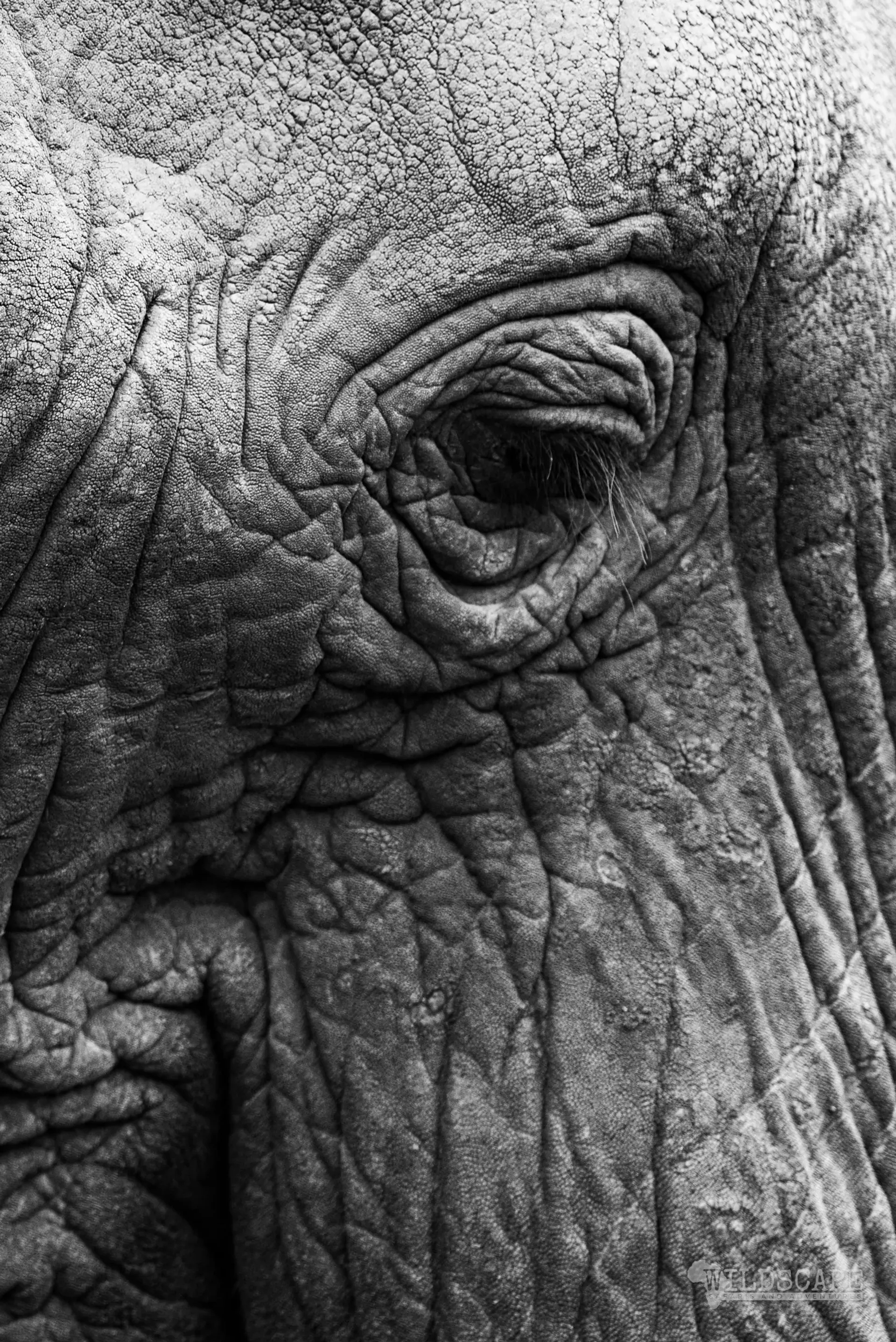
- Go closer than you think with the frame, not with the car. An eye, a trunk tip, the skin behind the ear — an elephant is one of the few animals that photographs well in pieces.
- Dust and late sun are what make the Chobe pictures. Put the sun behind them and let the dust carry the light.
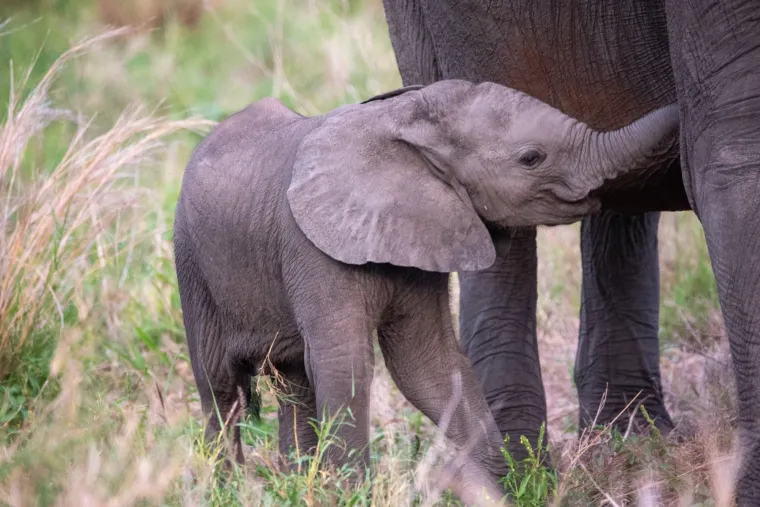
- A calf under its mother is the frame everyone wants, and it lasts as long as the herd tolerates you. If they start bunching, you are too close.
Questions people ask
What do I do when elephants are on the road?
Stop, leave the engine running, keep your distance and give them room — an escape route for them and one for you. Never drive into a herd to get past it, and never get between a cow and a calf. When they have moved, you move.
How do I read an elephant?
Ears spread, head shaking, trumpeting: that is a display, and the answer is to back off slowly. Watch a bull for heavy secretion from the glands at the side of the head and wet inner hind legs — that is musth, a hormonal phase in which testosterone rises many times over and the animal takes far more risks. Give those bulls a very wide berth.
Lights on or off?
Off, where you can. Elephants see poorly and an unfamiliar light source can provoke them. Leave the engine running though — you need to be able to move at once.
Where do I see the really big numbers?
The Chobe riverfront in the dry season, without much competition. Nothing else in southern Africa concentrates them the same way.