Sossusvlei
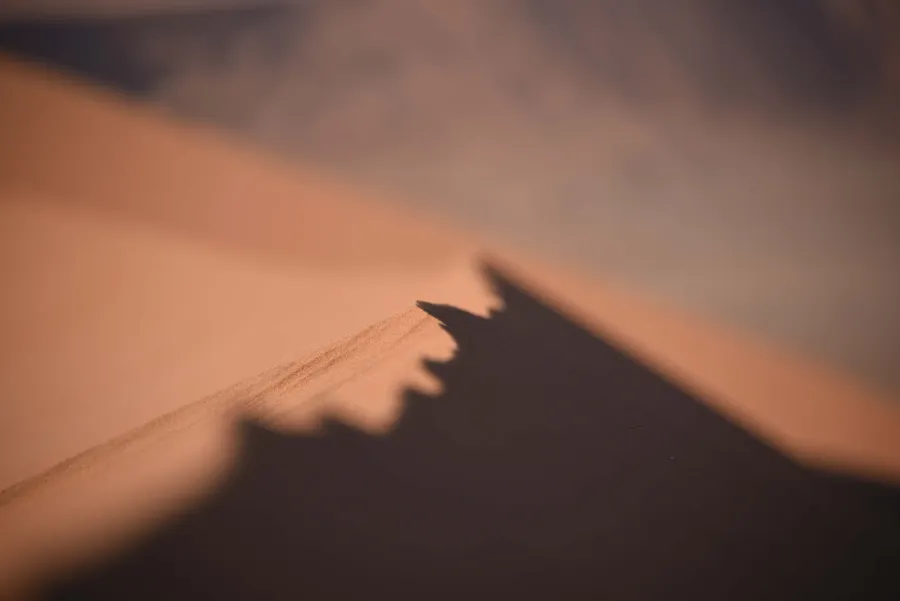
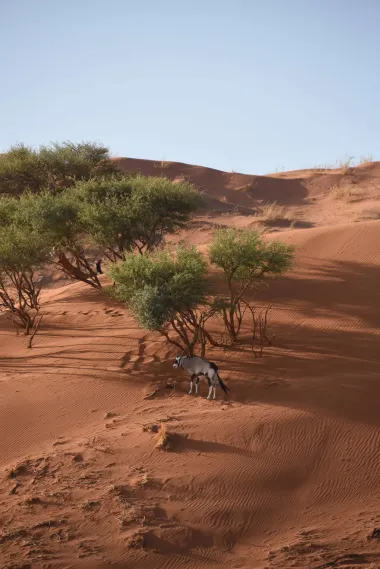
The red dunes. Worth the early alarm: the light before sunrise is the reason these photographs exist.
Dunes and distance
The red dunes. Worth the early alarm: the light before sunrise is the reason these photographs exist.
Worth knowing
Entry
Driving
Money
Malaria
Best months
As of October 2026. Entry rules change, so check with your own foreign ministry before you travel.
Borders: Natural Earth
As a rule, no. The main roads are well-kept gravel that an ordinary vehicle can handle, ideally one with a bit of clearance. The side roads are usually fine too, and a 4×4 is not strictly necessary.
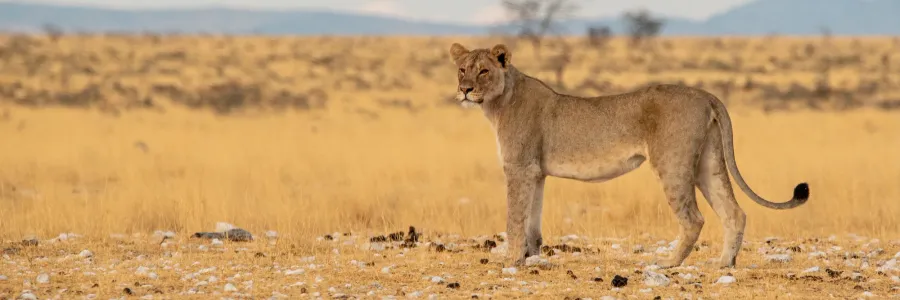
The best chances for wildlife are from June to October. In the dry season life concentrates at the waterholes, and that is where most of the action happens.
The green season has its own charm: it is quieter, beautiful to look at and full of life. With the lush vegetation, though, the animals spread out more across the park, so sightings are harder.
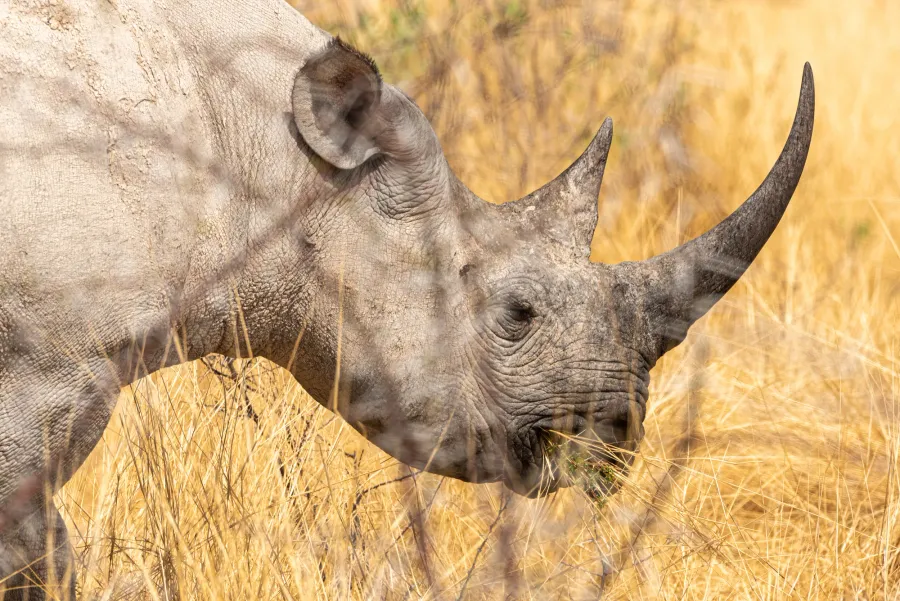
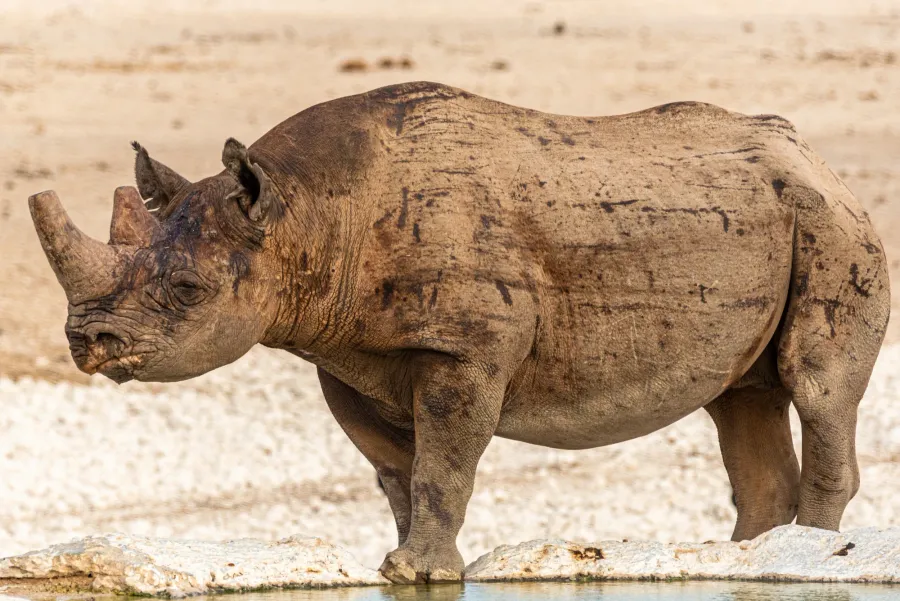
Etosha is one of the best places in Africa to watch black rhino. In the evening at the floodlit waterholes in particular, you have a good chance of seeing them. A sighting is still not guaranteed.
No, because there is no river that carries water all year. That is also why there are no buffalo.
Most routes combine the two, but there are long driving days on tar and gravel in between. If you definitely want to see Etosha and Sossusvlei, allow enough time: at least 14 days.
We would like to use analytics cookies to understand how the site is used and to improve it. Details
For the little ones
✓
You will get a confirmation by email in a moment, with everything you chose. I will come back to you with the price and shipping.
By the way: the place on your print is one you can drive yourself. My three-day plan for Kruger National Park is free.
To the free trip plan