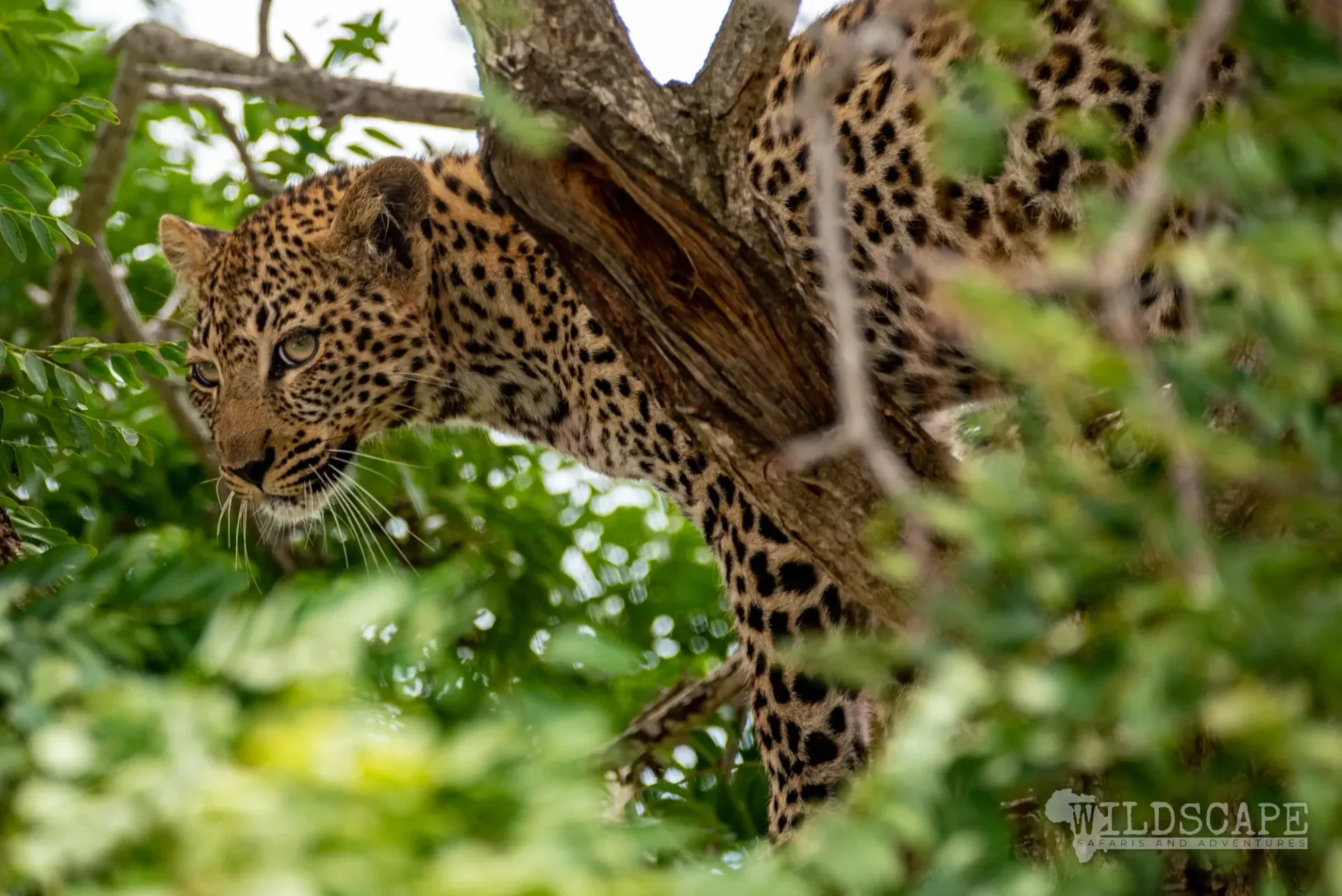
The gentlest start
Kruger National Park
About Kruger National Park
Kruger is the park that makes a self-drive safari possible for people who have never done one. It has a road network rather than a set of tracks, the rest camps sit inside the park behind a fence, and each one has a reception, a shop and fuel. You do not need to be self-sufficient here, which is exactly what makes it the sensible first park.
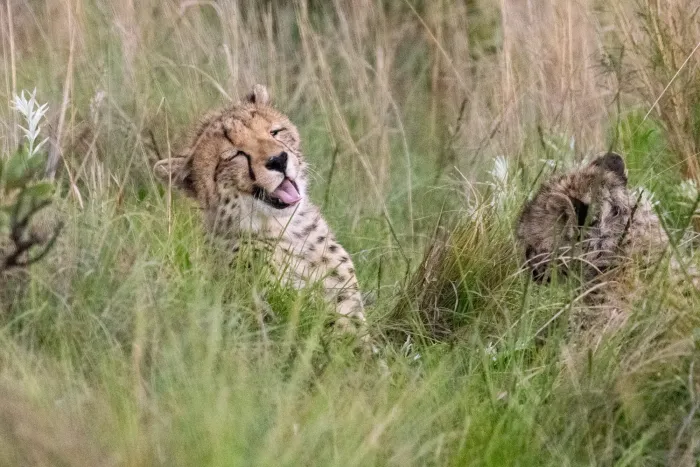
It is also big enough to feel like several different places. The south around Skukuza and Lower Sabie is the busiest part and has the highest density of predators; the centre is open grassland where cheetah hunt; the far north around Punda Maria and Pafuri is mopane woodland and riverine forest, sees a fraction of the visitors, and is where birders go. Two weeks in Kruger is not two weeks of the same thing.
What the driving is like
- The only park in this list you can drive in an ordinary hire car. Tar and well-graded gravel throughout the main network.
- Fifty on tar, forty on gravel. Those limits are not a formality — they exist because animals cross, and Phillip’s own guide puts them in writing.
- Reckon with twenty to thirty kilometres an hour if you actually want to watch and photograph. That figure is his, from the three-day plan, and it is the single most useful number for a Kruger route.
- You may not leave the vehicle except at marked points. That rule is what keeps the park open to self-drivers at all.
- Gates and camps close around sunset and being late is penalised with a fine. The distance you can cover in a day is set by that, not by the map.
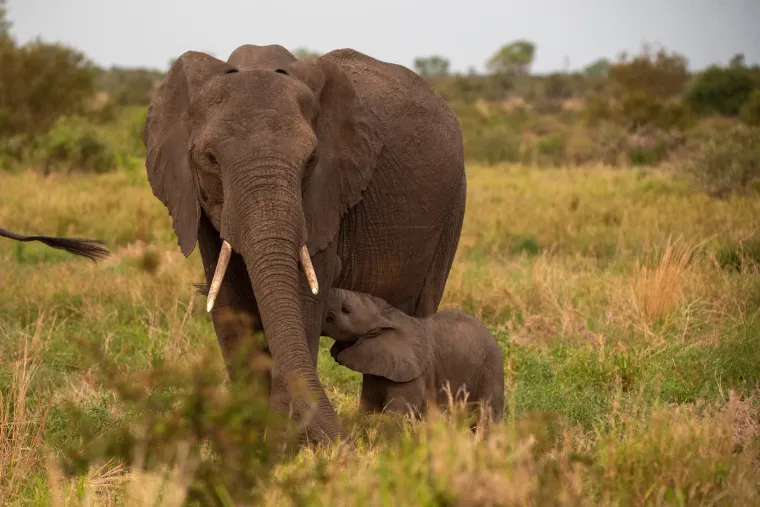
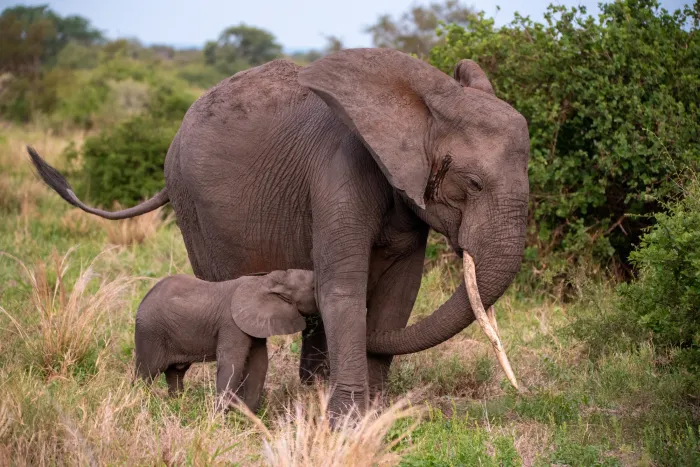
- In the evening the elephants move down to the Sabie and cross the H1-2 and the H4-1. A herd can hold up a road for half an hour to an hour if the leaves along it are good. Plan the slack in.
When to go
May to September, dry winter
The best months for wildlife. The grass is short and thin, the bush has lost its leaves, and animals concentrate at the remaining water. Cool mornings, mild days, cold before dawn in an open vehicle. Also the busiest period, and the one where camps fill up first.
October to April, green summer
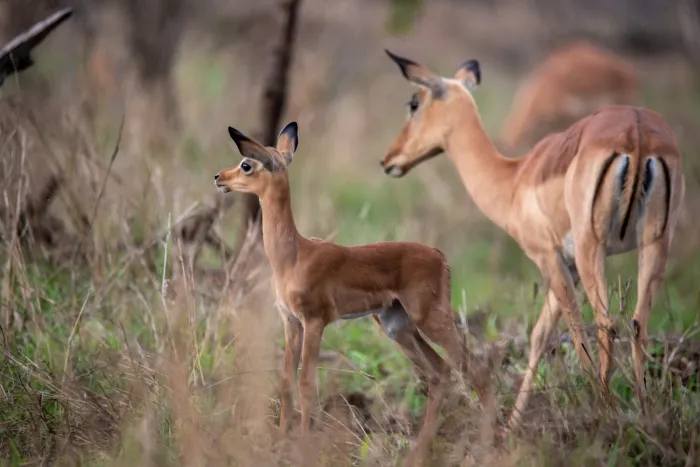
Hot, humid and often thunderous in the afternoon. The bush closes in and sightings get harder, but this is when the impala lamb, the migrant birds are in, and the whole park is green. Fewer people. This is also the season with the higher malaria risk.
What this changes for your planning
01
Where you sleep decides what you see
The gate opens at first light and the first two hours are the ones that matter. If you sleep inside the park you are already out in them; if you sleep outside, they are gone by the time you get in.
02
The south is not the whole park
Most first visits never go north of Satara. That is where the highest game density is, and also where every other car is. The north is a different park with different birds and almost no traffic.
03
It is a malaria area
Low risk in the dry winter, higher in the wet summer. It is a conversation with your doctor, not a detail — and it belongs in the planning, not in the packing.
04
A sighting is not a schedule
The animals do not know where you booked tomorrow. A route that only works if nothing holds you up is a route that will not work.
From my own trips
A 4×4 with high ground clearance is essential in most places. The one exception is Kruger National Park, you can explore that very well in a normal car, a VW Polo or similar.
In November 2023 I completed my FGASA Field Guide Training NQF2 with EcoTraining in Pridelands, becoming a qualified Field Guide for the Greater Kruger National Park.
How long to plan
5 to 7 nights
Fewer than four and you spend the trip driving between camps instead of watching anything. A week lets you sit still when something is happening, which is when the good sightings actually occur.
Where people sleep, and what that gets them
01
Skukuza
The largest camp, on the Sabie river in the south. Everything is there — shop, fuel, doctor. Busy, and the surrounding roads are among the most productive in the park.
02
Lower Sabie
Small, on the water, and famous for it. The stretch between here and Skukuza is the single best-known drive in Kruger, which also means you will not be alone on it.
03
Satara
Central, in open grassland. Lion country. Less pretty than the river camps and often the better one for what you came for.
04
Punda Maria and Pafuri
The far north: mopane, sandveld and riverine forest, a fraction of the visitors, and birds you will not see anywhere else in the park. A long drive to get there, and worth building a route around.
For the camera
- The light is gone by nine in the morning. What you get before then is the difference between a snapshot and a photograph, and it is decided the night before by which camp you booked.
- A beanbag on the window frame beats a tripod every time — you cannot get out, and a tripod has nowhere to stand inside a car.
- Sightings happen at the distance they happen. Something in the 400 mm range does most of the work; the wide shot of the herd in the landscape is the one people forget to take.
What goes wrong
- Booking a different camp every night. Packing up costs you the first hours of light, which are the hours worth having.
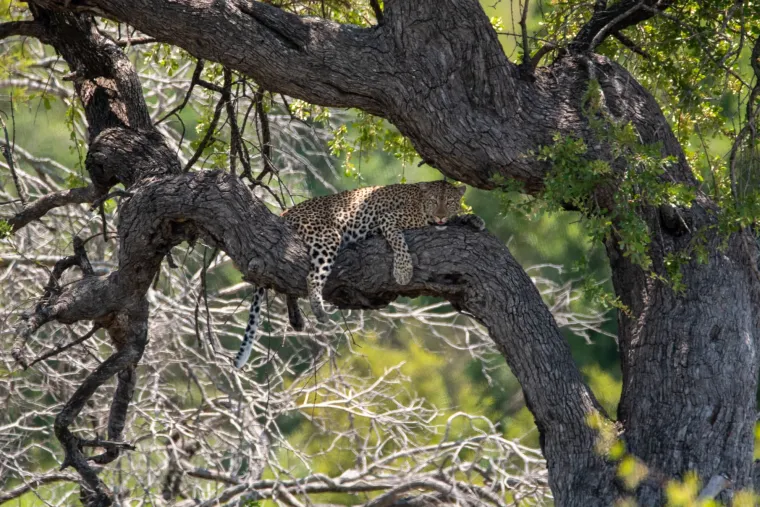
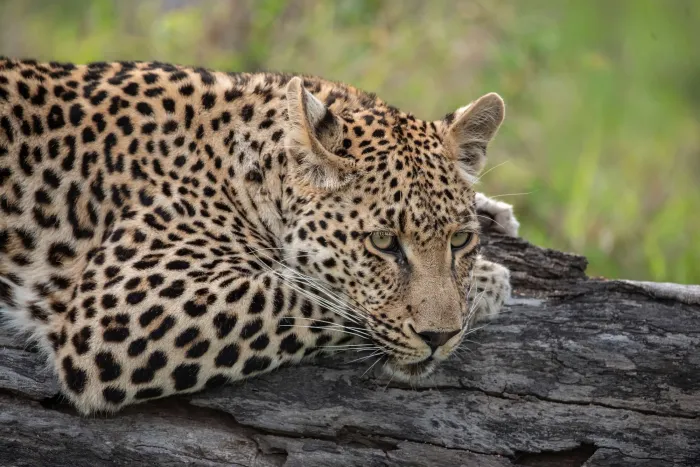
- Planning the day by distance. Fifty kilometres of gravel with a leopard in the middle of it is a whole morning.
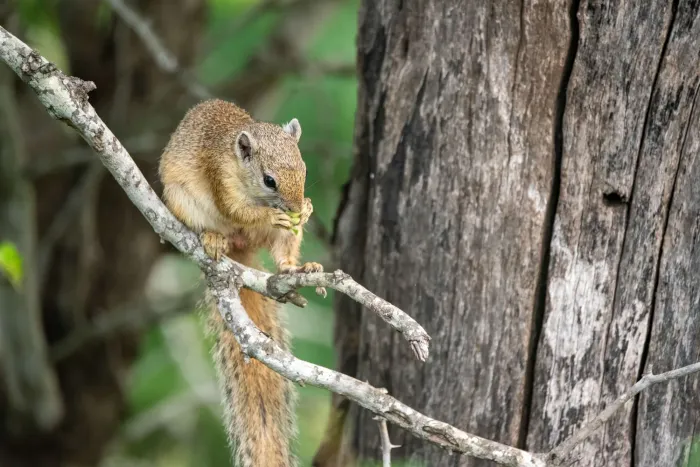
- Driving straight past the small stuff. The dung beetle and the ground hornbill are the sightings people remember once the lion photographs all look the same.
Questions people ask
Can I really drive Kruger in a normal hire car?
Yes. That is what makes it different from the other four parks in this list. The main network is tar and graded gravel, and the camps are inside the park. A 4×4 buys you a handful of extra tracks, not a different trip.
Is it safe to self-drive?
Within the rules, yes, and the rules are short: stay in the car except at marked points, keep to the speed limits, be inside a camp by closing time. Almost every incident involves someone who ignored one of the three.
Do I have to book camps in advance?
For the dry winter months, yes, and early — that is the season everybody wants. In the green summer you have far more room to decide as you go.
Will I see the Big Five?
All five live there and plenty of people see four in a week. Anybody who promises you five is selling something. Leopard is the one that decides it.
Is malaria a problem?
Kruger is a malaria area, low risk in the dry winter and higher in the wet summer. It belongs in a conversation with your doctor before you book, not in the packing list afterwards.
Borders: Natural Earth